Make your energy strategy work harder for your business



Key Takeaways
- A successful energy strategy earns approval by connecting resilience and sustainability goals to measurable business value.
- The strongest energy investments combine multiple value streams and align with facility and operational priorities.
- Long-term energy performance depends on managing the full lifecycle, not just selecting the right technology.
Transcript
Many energy projects are pitched as sustainability or resilience initiatives. Those goals matter, but they rarely win approval on their own. To move forward, an energy strategy needs a clear business case that shows what it means for costs, revenue, business continuity, and long-term asset performance.
The disconnect often starts with how the conversation begins. Project teams tend to lead with technology: battery energy storage systems (BESS), microgrids, solar, generators, fuel cells, or EV charging infrastructure. Business and finance leaders start with different questions. What will the investment mean for cash flow and energy costs? How will it affect net operating income? How will we pay for it, what risks does it reduce, and can we trust the projected returns?
A strong energy strategy ties infrastructure decisions to your financial and operational priorities, not just your sustainability and resilience goals. Start with the business case, then find the right mix of infrastructure, controls, operational support, and commercial strategy for your facility or portfolio. Let the business case guide the technology, not the other way around.
As organizations electrify fleets, modernize infrastructure, and prepare facilities for the future, energy decisions shape reliability, costs, asset value, and growth. To explore how organizations can tie their energy strategies to broader business value, we spoke with Cody Guidry, Vice President of Sales for ABM Energy & Power Solutions.
Energy should be managed as a business asset
Many organizations still treat energy as a bill to pay, not a resource to manage. But how a facility uses energy affects far more than the utility bill.
Demand charges and peak-period rates can drive up operating costs. Aging electrical infrastructure can threaten reliability. Grid disruptions can halt operations, affect customers, and put revenue at risk. New electrical loads from facility expansions and fleet electrification can also outpace what existing infrastructure is ready to support.
Tackling these challenges one at a time often leads to fragmented investments and missed opportunities. A better approach looks at the full picture: how you buy, generate, store, distribute, and use energy across a facility or portfolio. It also weighs how each decision affects cost, reliability, operational continuity, and future growth.
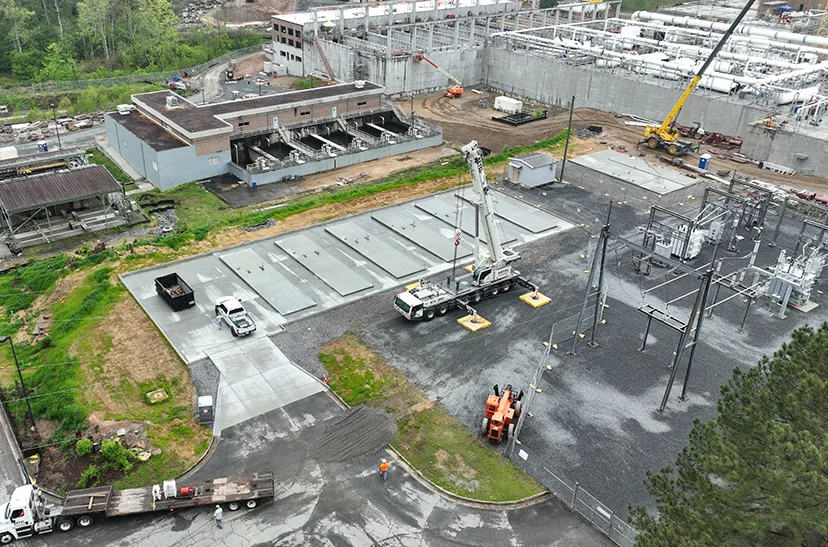
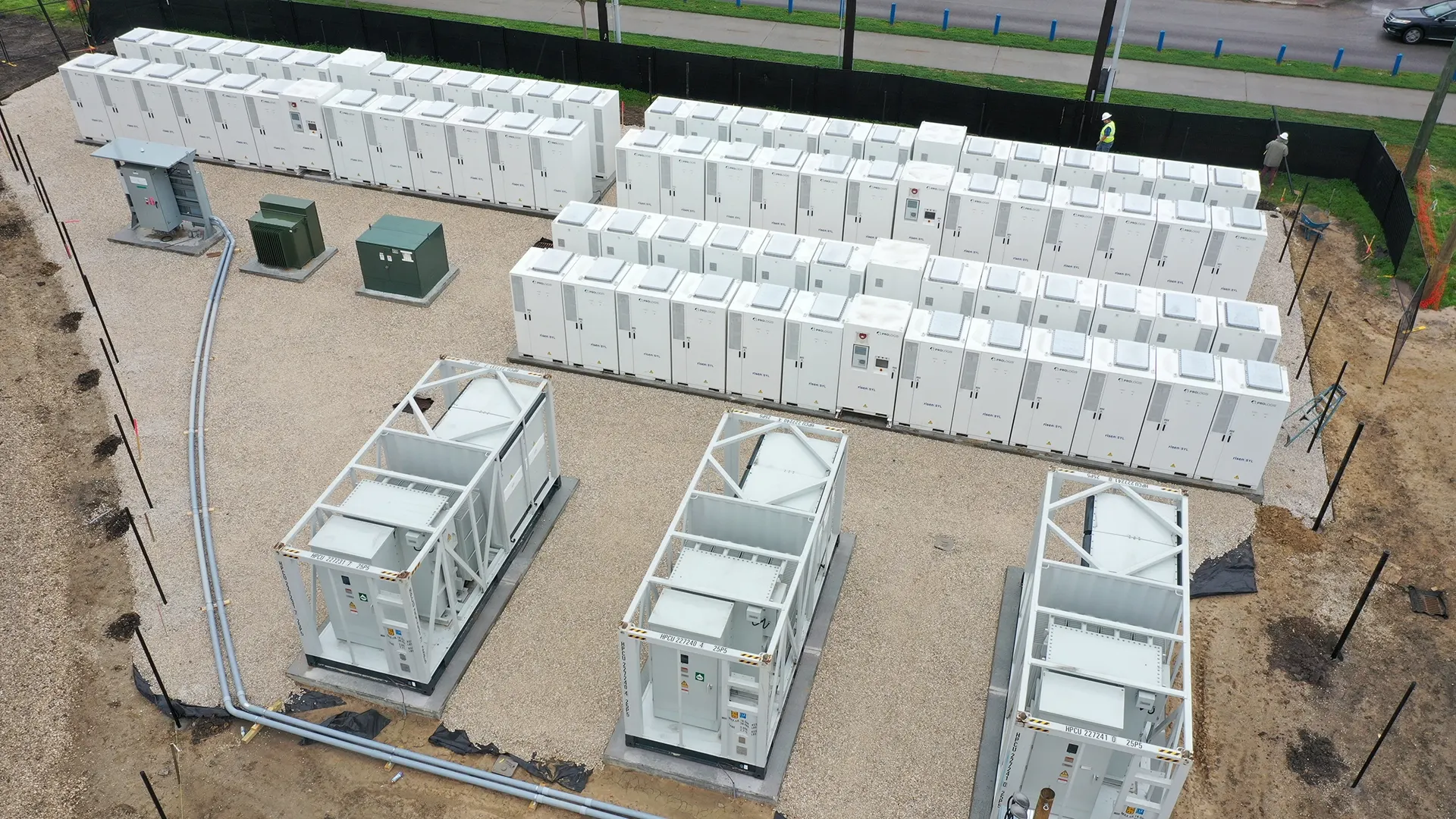
This broader view also changes the role of distributed energy resources. When you design battery energy storage systems, microgrids, solar, and other onsite generation around a facility's needs, they become more than standalone infrastructure. Depending on the application, they can help manage energy costs, support eligible grid programs, strengthen resilience, prepare for changing loads, and improve long-term asset performance.
Begin with the financial performance
A credible energy strategy starts with the facility, its operating requirements, and the organization’s financial objectives.
That means looking at utility data, interval demand, tariffs, equipment condition, planned growth, resilience requirements, and operational constraints before deciding which solutions make sense.
The goal is to identify the value streams available and understand which opportunities can support the strongest business case.
“You have to do the homework to try to put a value on resilience or the project will never go forward,” Guidry explained. “You don’t have an investment thesis if you can’t speak to the value that this investment is going to create.”
Reduce peak demand costs
Peak electricity use can drive a large share of a facility's utility costs. A properly sized and controlled battery energy storage system can discharge during those high-demand periods, lowering the peaks that utilities use to calculate demand charges.
The savings depend on more than battery capacity, though. Load patterns, tariff structure, operational variability, and future energy needs all shape the potential value.
Shift energy use to lower-cost periods
When time-of-use rates or other price signals apply, stored energy lets a facility buy or generate electricity when it costs less and use it when rates are higher.
A sound financial model also accounts for system efficiency, battery degradation, operating limits, and competing uses for the stored energy. Energy arbitrage can strengthen the business case, but it is not guaranteed value.
Participate in eligible grid programs
Some utilities and grid operators compensate customers for reducing demand, providing capacity, or responding during periods of grid stress. Program availability, performance requirements, and compensation vary by location.
Organizations need to evaluate which opportunities are available to them and build realistic participation assumptions into the project strategy. Where appropriate, controls can help balance grid-program participation with the facility’s onsite priorities.
Reduce outage risk
The consequences of an outage can ripple across the entire business. Lost production, interrupted services, damaged materials, missed transactions, recovery costs, and reputational harm all add up.
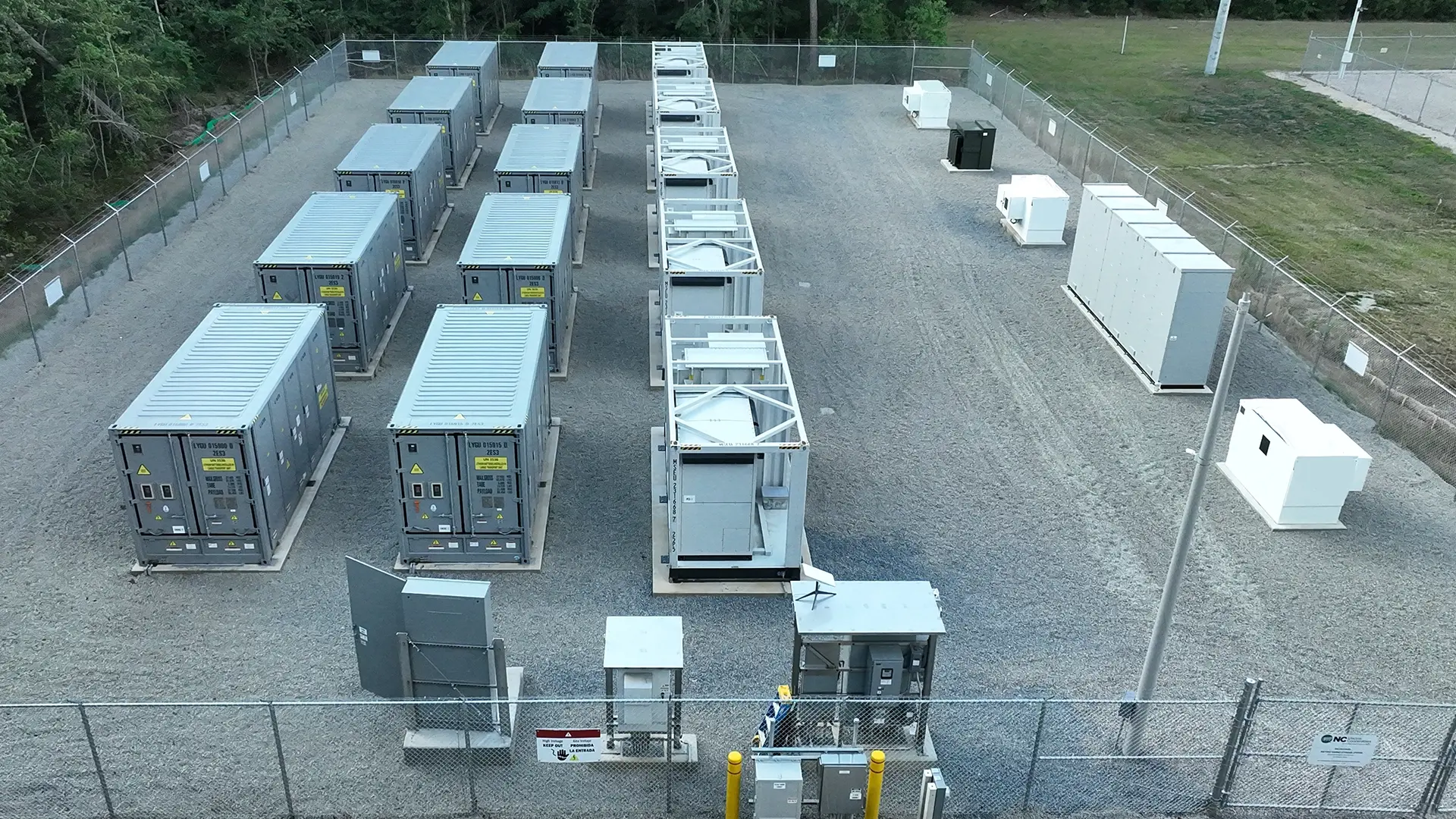
A microgrid or other resilient power solution can combine battery energy storage, generators, fuel cells, solar, switchgear, and intelligent controls to keep critical loads running during a disruption. To measure the value of resilience, start with your organization's actual operational exposure, not a generic estimate of outage costs.
Support electrification and growth
EV fleets, charging infrastructure, facility expansions, and other new electrical loads can strain capacity. They can also trigger service upgrades, complicate utility interconnection, and make demand harder to manage.
A coordinated energy strategy helps you plan for these loads while keeping cost and operational impact in check. Depending on the facility, that could include EV charging controls, battery energy storage, onsite generation, electrical upgrades, or a phased infrastructure rollout.
Connect energy performance to NOI and asset value
Energy projects are often judged as capital expenditures alone. That view can miss their effect on day-to-day operating performance.
When an energy solution delivers lasting utility savings, earns eligible program revenue, or reduces other ongoing expenses, those gains can improve net operating income (NOI). For income-producing real estate, higher NOI may also support asset value, depending on market conditions and how buyers and appraisers recognize that income.
NOI in action
How does an energy solution impact value? A sustained $100,000 increase in annual NOI equals $2 million in value at a 5% capitalization rate. That is an illustration, not a guarantee, but it shows why energy performance matters beyond the utility budget.
For commercial and industrial organizations, the value may look different: lower production costs, less downtime exposure, more predictable operations, or more capacity to support growth. Measuring that value can include both direct losses and harder-to-see opportunity costs. Guidry noted that opportunity cost is tougher to quantify than lost product, but it can be just as valuable to an operating business.
So the question is not simply, "What does the equipment cost?" It is: "What financial and operational value can the complete solution produce over its useful life?"
Build the business case for energy investments through value stacking
Few energy projects rely on one source of value. A strong business case often includes several financial and operational outcomes, as long as each one is modeled realistically.
A battery energy storage system can help reduce peak demand charges, shift energy use to lower-cost periods, earn revenue through an eligible demand-response program, and support critical loads. A microgrid can combine storage, onsite generation, and facility controls to improve resilience and support day-to-day energy performance.
These benefits do not always work together, though. Grid program commitments can limit how a system responds to onsite needs, and operating decisions can affect equipment life and warranty terms. The biggest trade-off is between resilience and cost savings.
"Resilience and energy optimization compete for the same battery capacity, so one has to take priority," said Guidry. "If resilience is the goal, you reserve enough stored energy to meet your backup requirements and use what is left to manage costs. If lowering energy costs is the goal, you operate the battery to maximize savings and accept the level of resilience that strategy provides. The strongest projects make that choice up front, based on the organization's most important business need."
The operating strategy matters as much as the technology
Evaluate energy investments across the full project lifecycle. The goal is to balance financial priorities, operational requirements, risk tolerance, and mission-critical needs from the start.
That work continues after commissioning. ABM's Network Operations Center (NOC) and supporting controls monitor and manage energy assets over time. Ongoing analytics and optimization help confirm that the system performs as intended and that projected value holds up under real operating conditions.
Treat incentives and supply-chain requirements as part of project risk
Federal, state, utility, and local incentives can make a big difference in project economics. Their availability and value, however, depend on eligibility and project-specific requirements.
For qualifying projects, the Section 48E Clean Electricity Investment Credit may provide a base credit that increases when the project meets prevailing-wage and apprenticeship requirements. Projects that meet domestic-content requirements may also qualify for an additional bonus. The value for any single project depends on its specific facts, eligibility, and compliance documentation.
Supply-chain decisions can also affect tax-credit eligibility. Federal restrictions on material assistance from prohibited foreign entities apply to certain Section 48E energy storage technologies and qualified facilities that begin construction after December 31, 2025. These restrictions are separate from domestic-content rules. One may affect access to the underlying credit, while the other may add a bonus. See current guidance from the Internal Revenue Service.
According to the IRS, the domestic-content bonus can raise the investment-credit percentage by 10 percentage points for projects that meet the prevailing-wage and apprenticeship requirements. For projects that do not, the bonus is two percentage points. Additional conditions and certification requirements apply. See the IRS domestic-content guidance.
As a result, sourcing, documentation, project timing, and contractual responsibility are part of the financial case, not just procurement details.
Providers can help coordinate technical requirements, equipment selection, and project documentation. Customers should rely on qualified tax and legal advisers to confirm credit eligibility and the tax treatment of their specific project.
Align the commercial structure with the capital strategy
Even a valuable energy project can stall when it competes with other capital priorities.
Depending on the project and your organization's needs, options may include a direct capital purchase, a lease, an Energy-as-a-Service arrangement, a power purchase agreement, or a shared-savings model. Third-party financing can reduce or eliminate your upfront capital contribution, but it does not replace careful financial review.
Upfront cost is only one part of the decision. Also consider how each option affects:
- Ownership and control of the assets
- Payment and escalation terms
- Performance responsibilities
- Savings or revenue calculations
- Operations and maintenance obligations
- Equipment warranties
- Incentive ownership
- Contract length and termination rights
- End-of-term options
- Risk allocation if performance falls short of projections
The right structure aligns capital, operating responsibility, risk, and long-term value with your organization's goals.
Manage the entire energy lifecycle
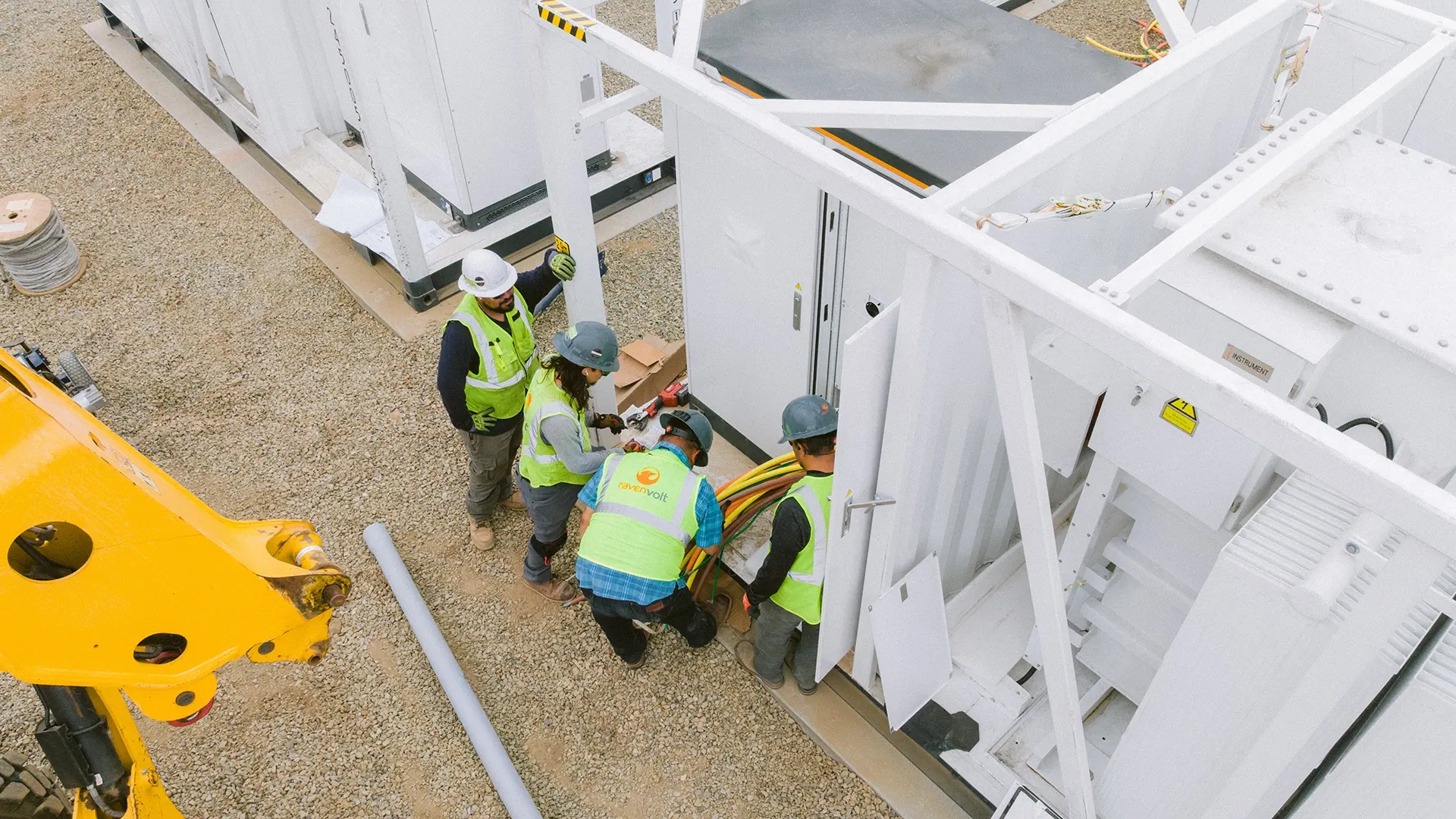
Even the strongest business case depends on successful delivery and long-term performance. Energy infrastructure can involve electrical design, utility coordination, permitting, procurement, construction, controls integration, commissioning, market participation, monitoring, and maintenance. When multiple providers split those responsibilities, customers can face gaps in accountability, inconsistent assumptions, and added complexity at every stage.
Guidry pointed to early decisions about system architecture, equipment selection, controls, maintainability, and future expansion as the key to avoiding a design that becomes expensive or difficult to change. "Early planning is where organizations have the greatest opportunity to control cost," he said. "A thoughtful front-end process can help prevent redesign, procurement delays, and field rework while ensuring the system remains flexible, hardware agnostic, and ready to support future upgrades."
He also stressed the value of bringing engineering, procurement, purchasing power, and construction together instead of treating the project as a technology design exercise alone.
ABM Energy & Power Solutions brings those capabilities together, supporting the development and delivery of distributed energy projects, including microgrids, battery energy storage systems, solar, onsite generation, switchgear, and EV fleet infrastructure.
Long-term performance depends on continued oversight. Guidry sees commissioning as the start of performance validation, not the end of the project. "Commissioning is not the finish line. It is the point where the project begins proving its value," he said. "Controls, monitoring, analytics, and regular maintenance provide the visibility needed to confirm performance, identify issues early, and keep the system aligned with the organization's financial and operational objectives."
ABM Power Services supports the electrical infrastructure around the project, while ABM's UPS battery and maintenance capabilities help protect critical power systems. Together, they offer a coordinated approach to energy resilience, electrical reliability, and long-term asset performance.
Bring the CFO a decision-ready energy strategy
Any boardroom conversation should start with the business outcomes the investment will support.
A decision-ready case accounts for both sides of the investment equation. Guidry drew a clear line between the cost of resilience and what resilience is worth. ABM can help you understand what it will take, and what it will cost, to build a resilient system or facility. You then decide what resilience is worth to your business and operations.
With both sides of the equation in hand, you can weigh value against cost and decide whether the project warrants investment.
A decision-ready energy strategy should answer five questions:
- What is the recurring financial value?
Quantify projected utility savings, eligible program revenue, and other operating benefits. Show how those benefits could affect NOI, production costs, or overall operating performance. - How resilient is the financial case?
Show expected returns under base, conservative, and downside scenarios. Identify the assumptions with the greatest impact on cash flow, payback, and internal rate of return. - What capital structure best supports the organization?
Compare an outright purchase, financing, and third-party ownership options based on near-term cash needs and lifecycle economics. - What risks does the project reduce?
Evaluate exposure to outages, demand charges, tariff changes, aging infrastructure, and capacity constraints. Where possible, quantify the operational and financial impact of those risks. - Who is accountable for performance?
Define who owns design, construction, commissioning, monitoring, maintenance, optimization, and performance reporting across the asset lifecycle.
From energy expense to business performance
The most productive energy conversation is not about technology for its own sake. It is about solving a business problem.
Can you reduce avoidable energy costs? Protect critical operations? Support electrification and future growth? Use capital more effectively? Gain more visibility and control in an increasingly complex energy landscape?
ABM Energy & Power Solutions helps organizations answer those questions and build a practical path forward. We connect energy strategy, electrical infrastructure, project delivery, and ongoing operations, which gives clients a clearer way to evaluate energy investments based on financial performance, operational resilience, and long-term business value.
Discover how ABM can improve your energy strategy. Visit ABM.com/contact or call 866.624.1520 to speak with an expert.
Source 1: EIA Total Energy Monthly Data.
Source 2: Science Direct
Source 3: Clean Coalition - Disaster Resilience
Source 4: EIA Retirement Delays of U.S.
Source 5: Lawrence Berkeley National Laboratory
Source 6: Propane Education & Research Council (PERC)
Source 7: IEA Electricity 2026: Flexibility