Maintaining momentum from fab fit-out to full production


Key Takeaways
- Production readiness develops across three interdependent stages: facility fit-out, equipment installation and ramp, and full-scale operations.
- Coordination across facility teams, trades, OEMs, equipment teams, and technicians helps fabs balance ramp speed with safety, quality, and long-term reliability.
- Preserving siteknowledge, consistent processes, and clear accountability across phases supports the transition from fit-out and ramp to sustained production.
Transcript
Between a completed semiconductor facility and first silicon lies a demanding stretch of work. Critical facility and subfab infrastructure must be installed and qualified. Production tools must be moved into place, connected, tested, and brought online. The operation must then ramp toward reliable, high-volume manufacturing.
Although this work occurs across distinct lifecycle phases, the transitions are closely connected. Decisions made during fit-out shape the conditions for equipment installation, while the quality of installation and ramp can affect reliability once production begins. Fragmented handoffs can leave incoming teams without important context, complicate ownership, and create friction at the points where facility, equipment, and operational responsibilities overlap.
The fab as one system examined the transition from construction to operations and the importance of coordinating facility infrastructure, manufacturing equipment, and specialized workforces. This article looks more closely at Stages Two through Four, when the completed facility must be prepared, equipped, and brought into sustained production.
Facility fit-out turns the building into a semiconductor environment
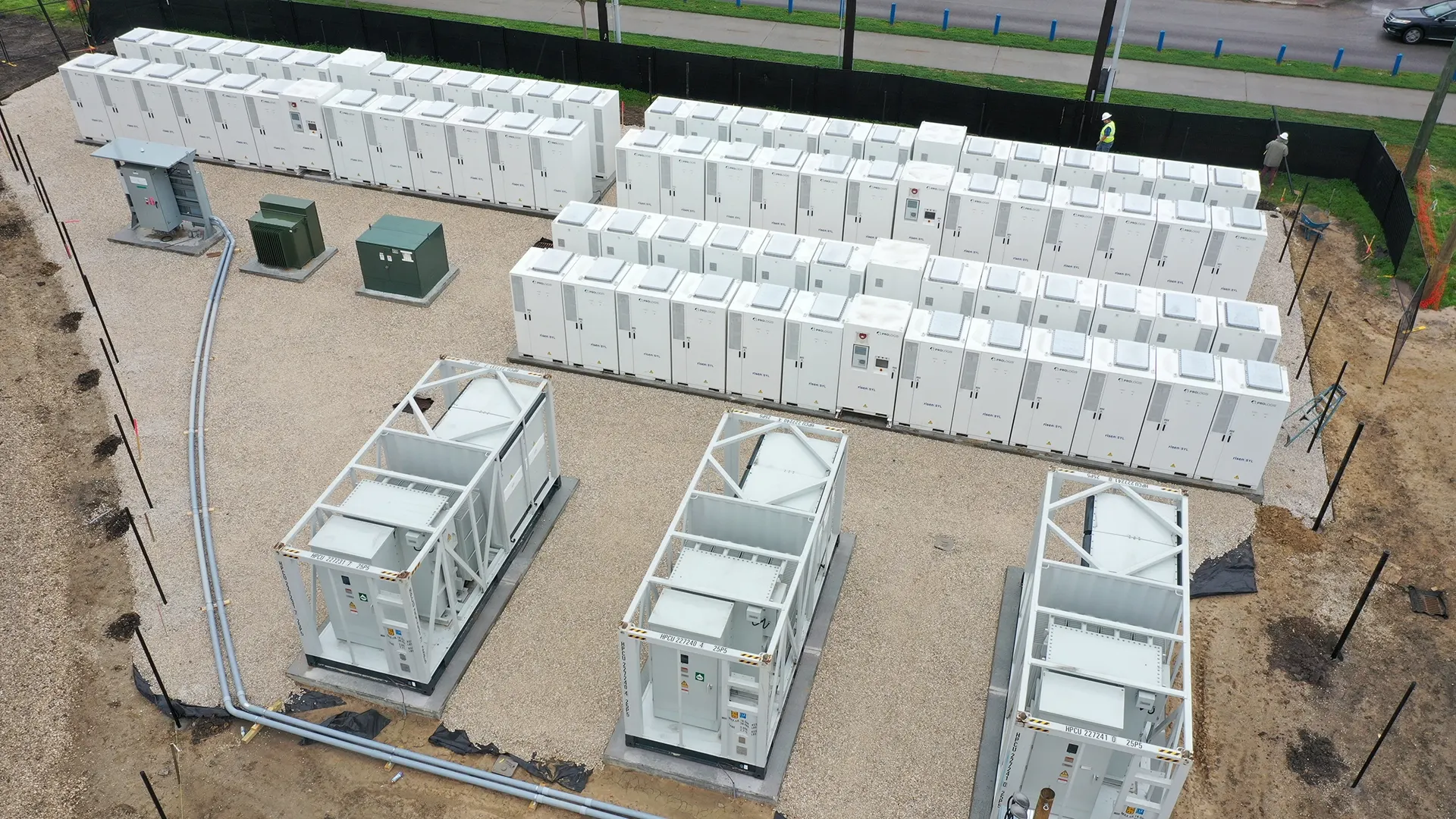
Construction delivers the physical shell of a fab. Facility fit-out then brings critical infrastructure and subfab systems online, creating the controlled environment needed for equipment installation and production.
Stage 2: Facility fit-out
Every critical facility and subfab system must meet the utility, safety, and operating requirements of the equipment it will support.
Fit-out may include:
- Gas and chemical systems
- Ultrapure water and wastewater systems
- Power distribution
- Scrubbers and extraction systems
- Subfab and facilities infrastructure
- Testing, commissioning, and QA/QC
These systems are closely connected to the production tools they will support. Equipment installation and qualification depend on utilities that are in the right locations, operating within required parameters, and ready when installation teams need them. A missed quality check, an inaccessible component, or an unresolved system issue may not surface until commissioning or equipment installation begins. By then, fixing it can mean rework and a delayed ramp schedule.
Catching problems during testing, commissioning, and QA/QC is far less disruptive than finding them after installation teams mobilize and schedules tighten. This work confirms whether the facility is truly ready to support the next phase safely and consistently.
In the end, fit-out quality comes down to production readiness. The goal is simple: give installation teams an environment ready for equipment placement, qualification, and ramp, with no unresolved facility issues slowing the work.
Equipment install and ramp convert infrastructure into productive capacity
Once facility systems are ready, the critical path shifts to the production tools. Moving each tool from arrival to sustained operation brings a new set of logistical, technical, and workforce dependencies.
Stage 3: Equipment install and ramp
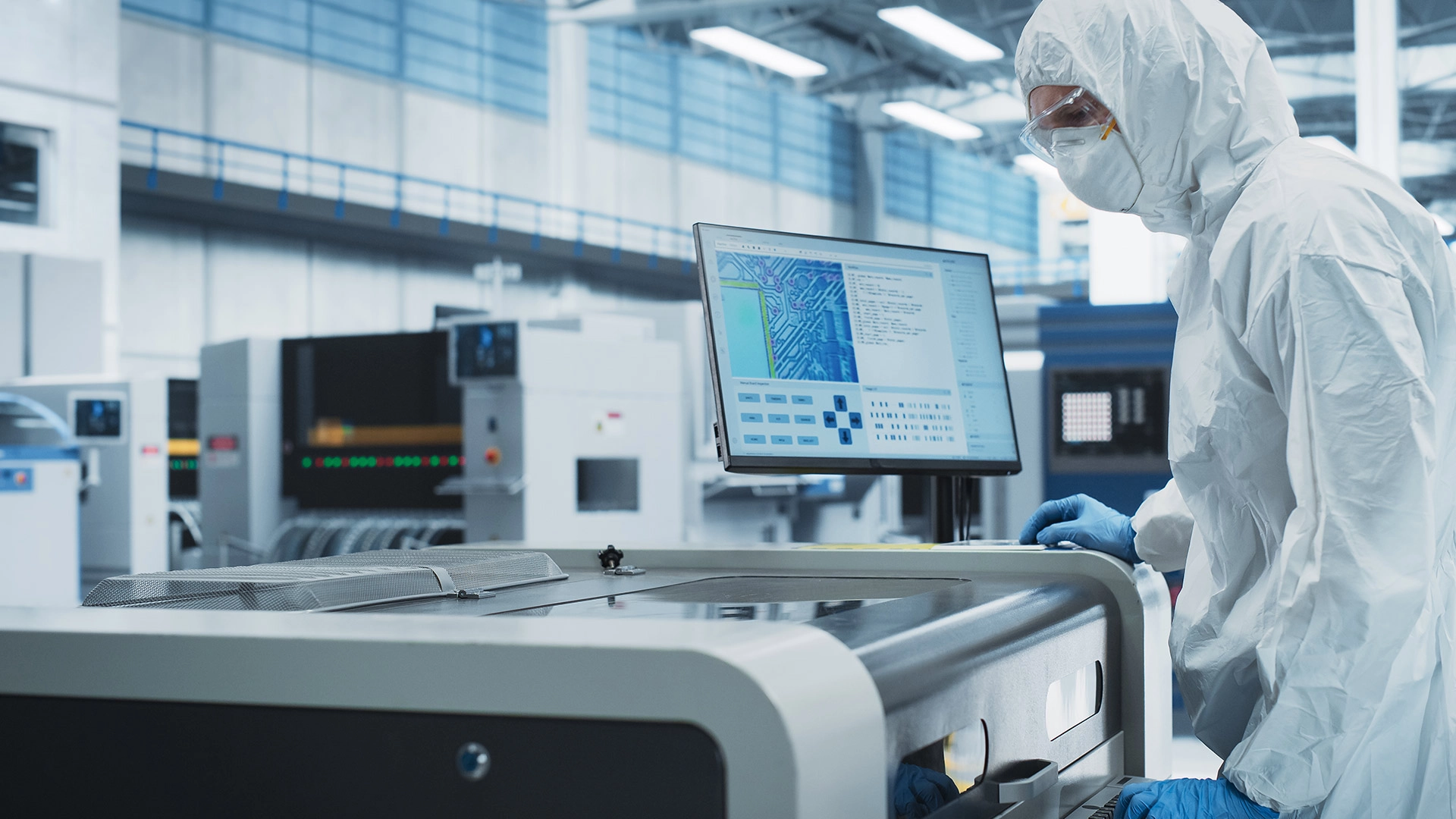
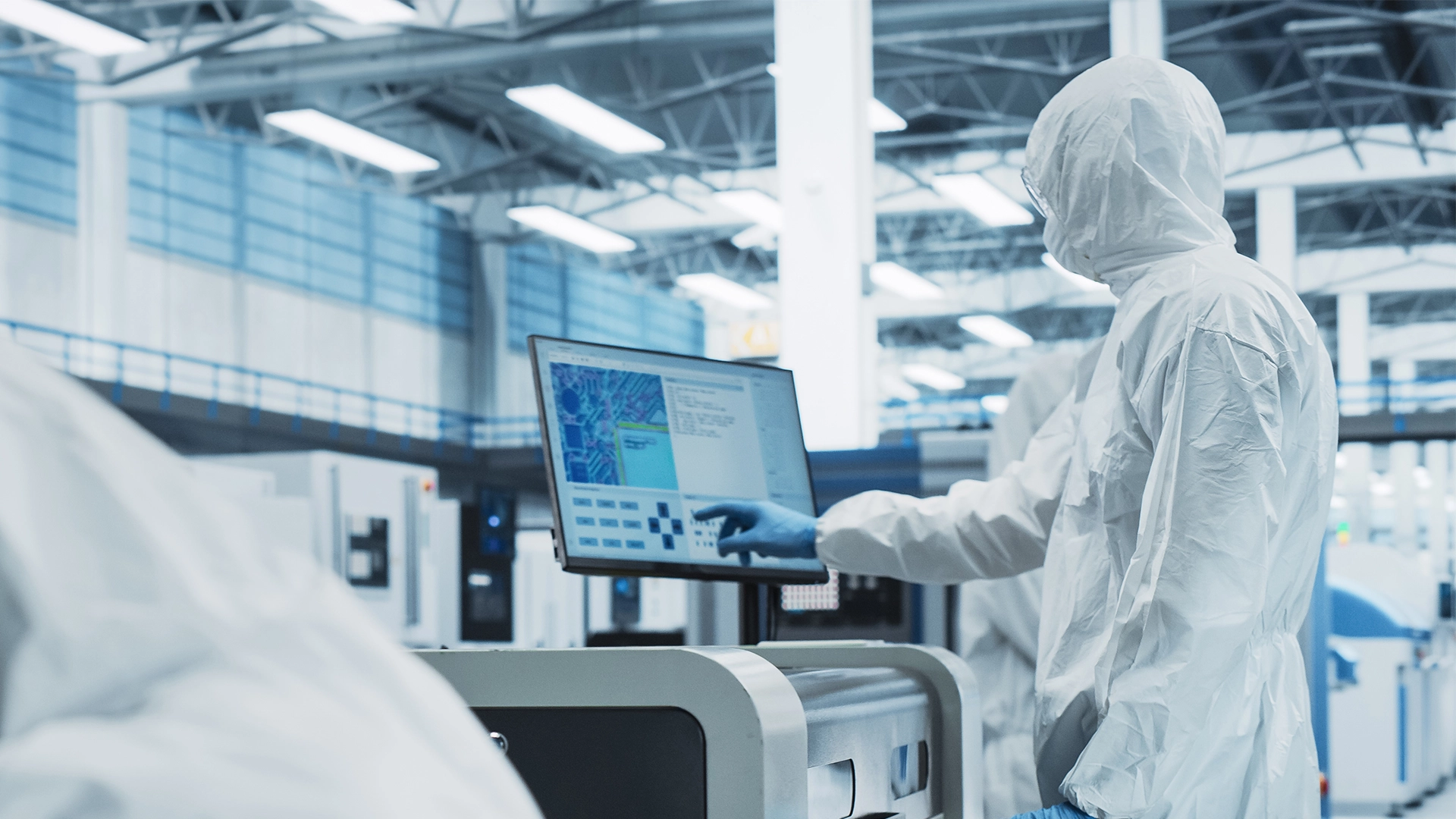
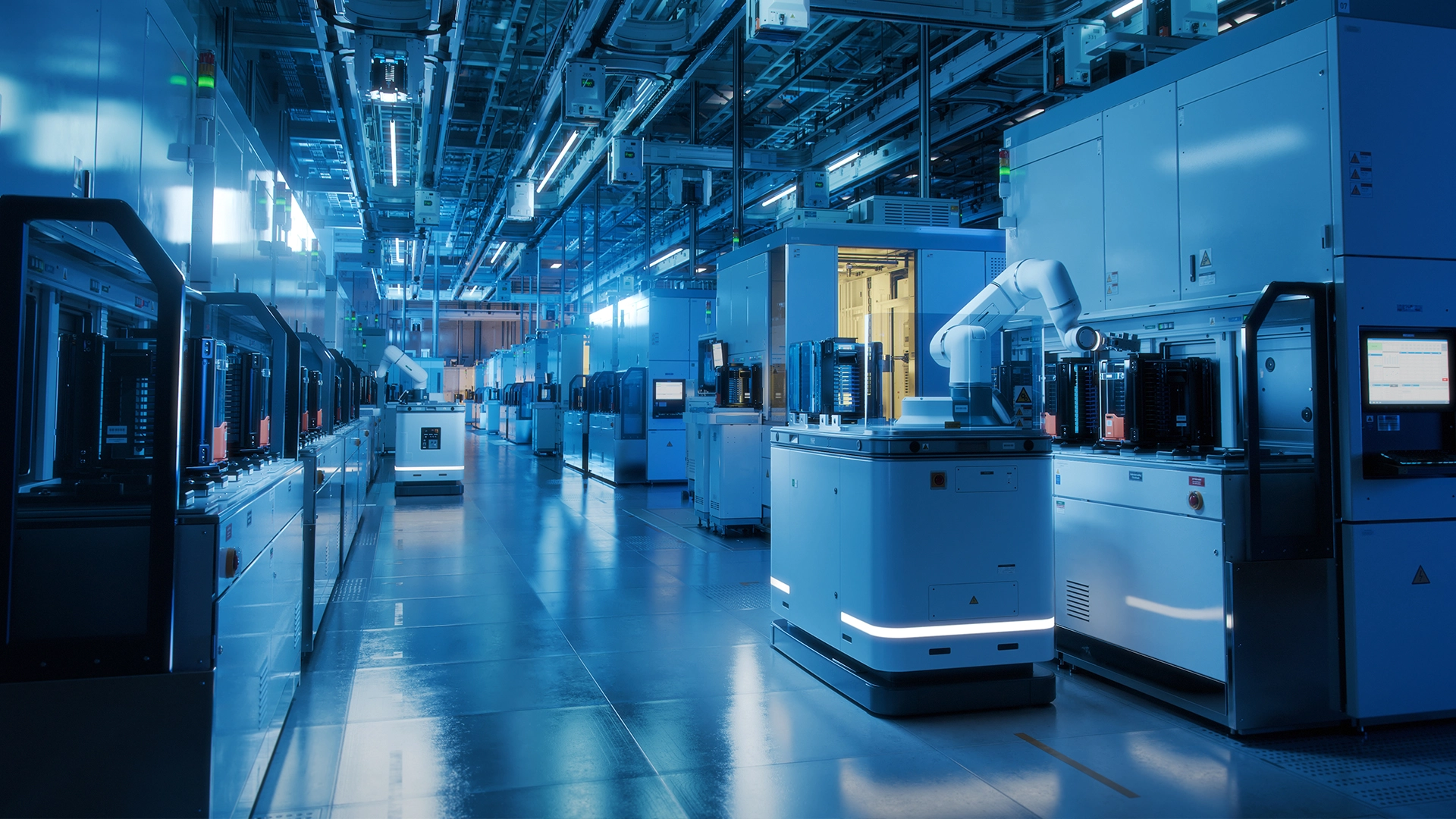
Each tool moves from the dock into the fab for placement, installation, utility hookup, testing, and qualification before ramping toward first silicon and production.
This sequence requires close coordination between the teams responsible for each tool and the teams responsible for the environment around it. Trades connect tools to power, water, gas, chemical exhaust, and other supporting systems. OEMs provide equipment-specific direction. Equipment support and facility teams coordinate access, safety requirements, testing, and readiness. Technicians need to be ready to operate and support each tool as it comes online.
Pressure to reach production makes speed important, but speed cannot come at the expense of safety, quality, or reliability. An installed tool is not always ready for sustained operation. Utility connections must perform as expected, testing and qualification requirements must be met, and the handoff to operations must be complete. Any unresolved issue can slow qualification or surface later in production.
Consider a common scenario. A tool arrives on schedule, moves into place, and connects to facility utilities. On paper, installation is complete. During qualification, the team finds that exhaust flow at the tool falls outside the OEM specification, or that a gas line still needs purity certification. The fix may be straightforward, but it requires coordination among the facility team, the trade that made the connection, and the OEM. Each handoff adds time, and the tool sits idle while the ramp schedule tightens.
Delays like this rarely come from one failure. They form where responsibilities meet: between the team that built the utility system, the trade that connected it, and the OEM that defines what the tool needs. Ramps that keep momentum treat these handoffs as planned work. Each one has a clear owner and shared acceptance criteria, and open issues are tracked to closure.
The stakes are high. McKinsey estimates that a leading-edge fab producing at high volume can lose tens of millions of dollars in revenue for each week of delay. The same research finds that better planning and tracking could shorten ramp durations by 20 percent.
This is also what separates an installed tool from a production-ready one. An installed tool is set, connected, and powered. A production-ready tool has also passed qualification and performs consistently over time. Trained technicians, documented procedures, and a maintenance plan are in place to support it.
Fit-out knowledge keeps installation moving. Teams involved in fit-out already understand the facility's utility systems, operating requirements, site protocols, and open constraints. That familiarity helps them spot dependencies earlier, reduce troubleshooting time, and resolve potential problems before they affect the production schedule.
The challenge changes once the fab reaches high-volume manufacturing
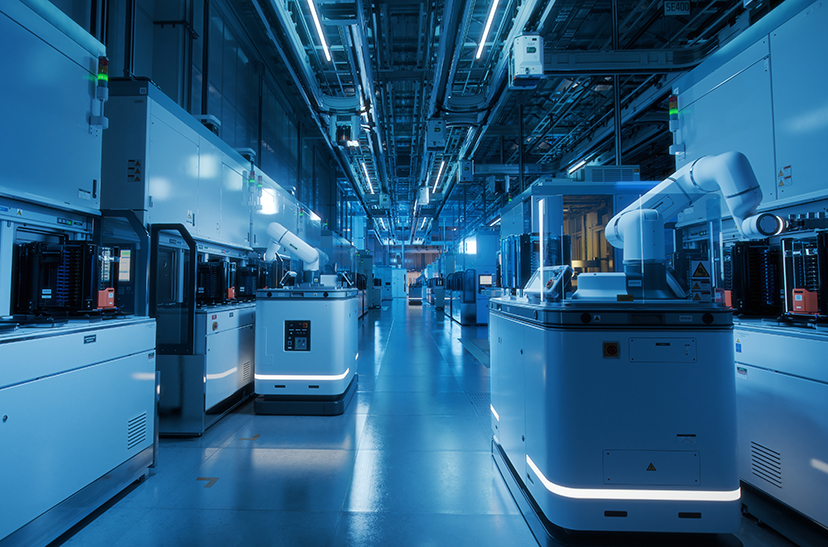
The work changes once a fab reaches full-scale production. At full scale, fab performance reflects how well production tools, facility systems, maintenance programs, and specialized teams work together.
Stage 4: Full-scale operations
Sustaining performance requires consistent execution across several operational priorities:
- Uptime
- Equipment reliability
- Preventive maintenance
- Subfab and utilities continuity
- Workforce consistency
- Throughput and production targets
Production tools depend on stable utilities and subfab systems, and timely equipment maintenance affects quality, uptime, and asset utilization. Effective maintenance also requires qualified technicians, accurate equipment information, and coordination with production schedules. A problem in one area can reduce equipment availability and put production targets at risk.
The financial impact can escalate quickly. In 2021, interruptions to gas, electricity, and water forced NXP to fully shut down its two Austin wafer fabs. The company projected an impact of about $100 million on second-quarter revenue. Once a fab operates at scale, a utility disruption quickly becomes a production disruption.
Reliable infrastructure is one piece of the puzzle. Sustained performance also depends on teams that understand how systems were installed and commissioned, which issues emerged during equipment qualification, and how individual tools interact with the facility. That context informs maintenance decisions, helps teams spot problems early, and supports a coordinated response when performance slips.
Limiting unnecessary handoffs preserves this knowledge as the fab moves into sustained production. When experienced teams stay connected across phases, operations staff do not have to rebuild the history of the facility and its equipment every time a problem arises. Those lessons continue to strengthen equipment reliability, workforce readiness, and production continuity.
The real advantage is preserving momentum between phases
Facility fit-out, equipment installation and ramp, and full-scale operations each involve different priorities, stakeholders, and measures of success. Yet each stage relies on the readiness established in the one before it. Momentum is easier to maintain when teams can build on what they learned during previous phases.
Fit-out teams gain a detailed understanding of the facility's infrastructure, including how critical systems were installed, commissioned, and qualified. As production tools come online, specialists learn how each tool connects to and interacts with those systems. At full scale, operations teams can draw on that experience to support maintenance, troubleshoot problems, and coordinate work around production requirements.
Fragmented vendor relationships make each transfer harder. When separate providers handle separate scopes, the teams carrying the work forward may have limited visibility into earlier decisions or unresolved issues. Ownership can also become unclear when a problem crosses the line between facility infrastructure, production equipment, and ongoing operations.
Preserving momentum takes stakeholder coordination, consistent processes, shared documentation, and clear accountability as responsibilities change. It also takes people who understand the specialized protocols and operating demands of semiconductor environments.
Together, ABM and WGNSTAR support facility infrastructure and production equipment across fit-out, installation, ramp, and ongoing operations. This integrated view connects decisions across phases and helps teams see how earlier work affects the next stage of the ramp.
Conclusion
Reaching high-volume manufacturing takes more than completing a series of milestones. As responsibilities shift and new teams come online, decisions made in one phase shape the next. Preserving context and accountability through those transitions supports operational readiness and keeps the path to sustained production on track.
ABM and WGNSTAR bring experience across each of these phases, helping fabs stay aligned as needs change. That cross-phase visibility remains valuable after production stabilizes, when new process requirements, equipment upgrades, and later-life transitions create new operational demands.
Learn more about ABM’s semiconductor solutions or speak with an ABM semiconductor expert.