Upgrading and decommissioning fabs without disrupting work



Key Takeaways
- Process and node upgrades often take place while production continues, requiring careful coordination across tools, utilities, OEMs, trades, and operational teams.
- Semiconductor decommissioning requires deliberate sequencing across utility isolation, decontamination, equipment movement, and documentation.
- Site knowledge and equipment history help teams reduce handoff risk, maintain asset visibility, and carry critical context across lifecycle phases.
Transcript
Facility fit-out, equipment installation, and ramp bring a fab into full-scale production, but that milestone does not mark the end of its six-phase lifecycle. As technology, capacity needs, and business priorities change, manufacturers upgrade, move, or replace tools and systems. Production environments also evolve to accommodate new processes or node requirements, while equipment, production lines, or entire facilities may eventually be decommissioned.
Although upgrades and decommissioning lead to very different outcomes, both require organizations to manage complex change across equipment, facilities, people, and operations. Maintaining safety, production continuity, asset visibility, and control depends on careful planning and coordination across teams.
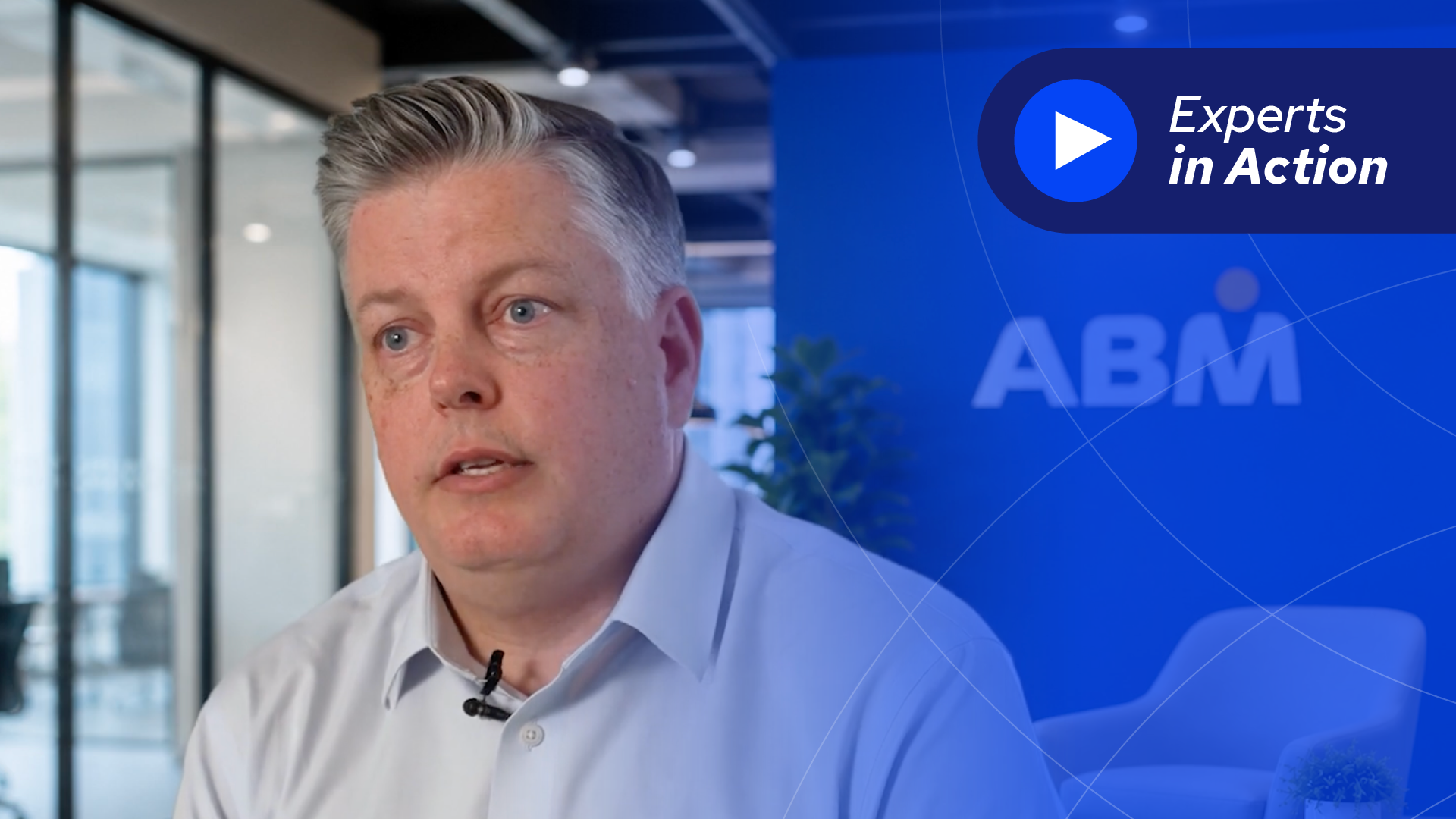
In this final article in ABM’s semiconductor lifecycle series, subject matter experts James Hubbard, Director, Commercial Management – Fabs and Facility Construction USA, and Gregory Hare, Director, Commercial Management Semiconductor, explain how retaining site knowledge and experience across phases can help manufacturers manage those later-stage transitions.
Process and node upgrades require change without necessary disruption
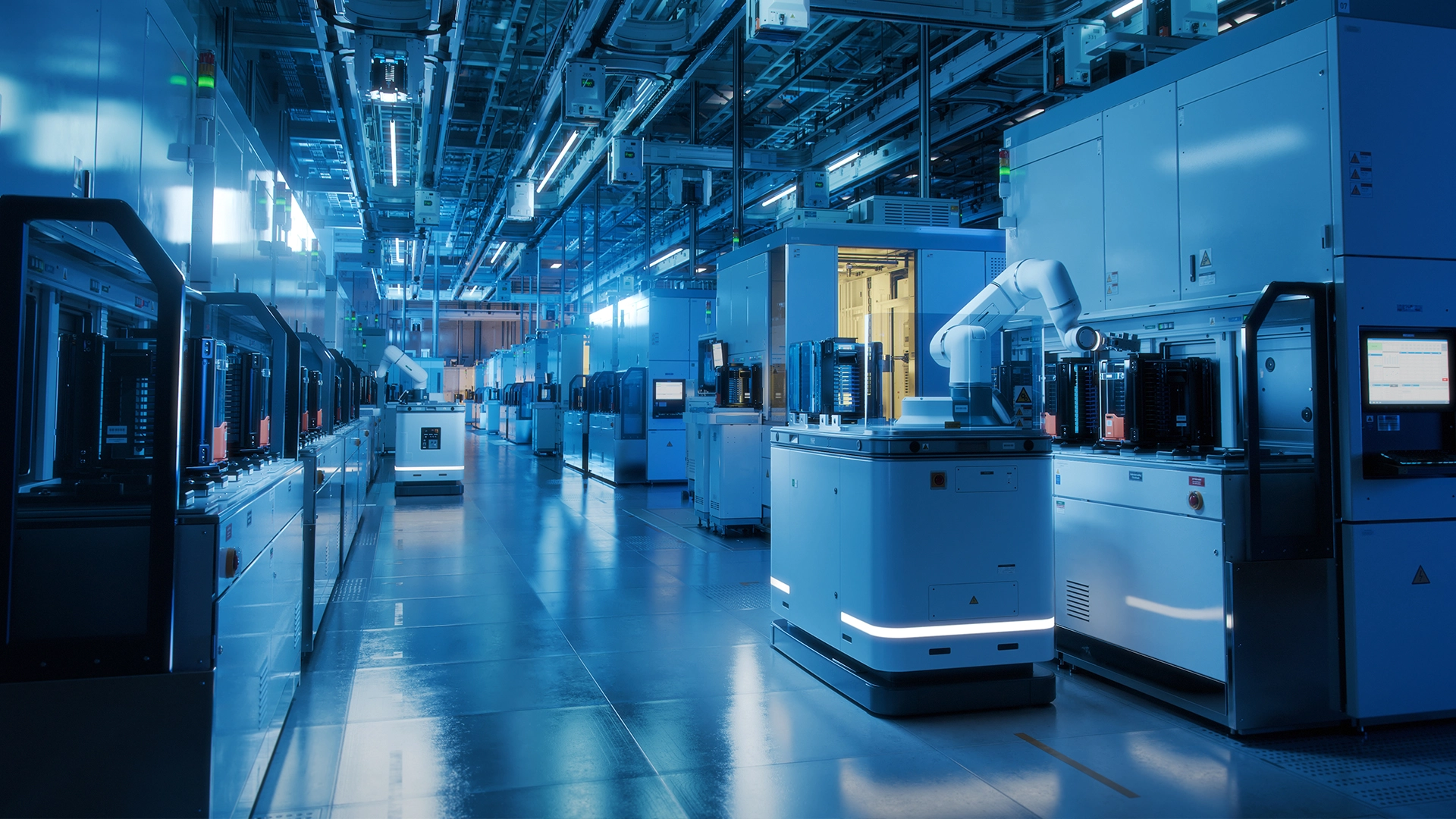
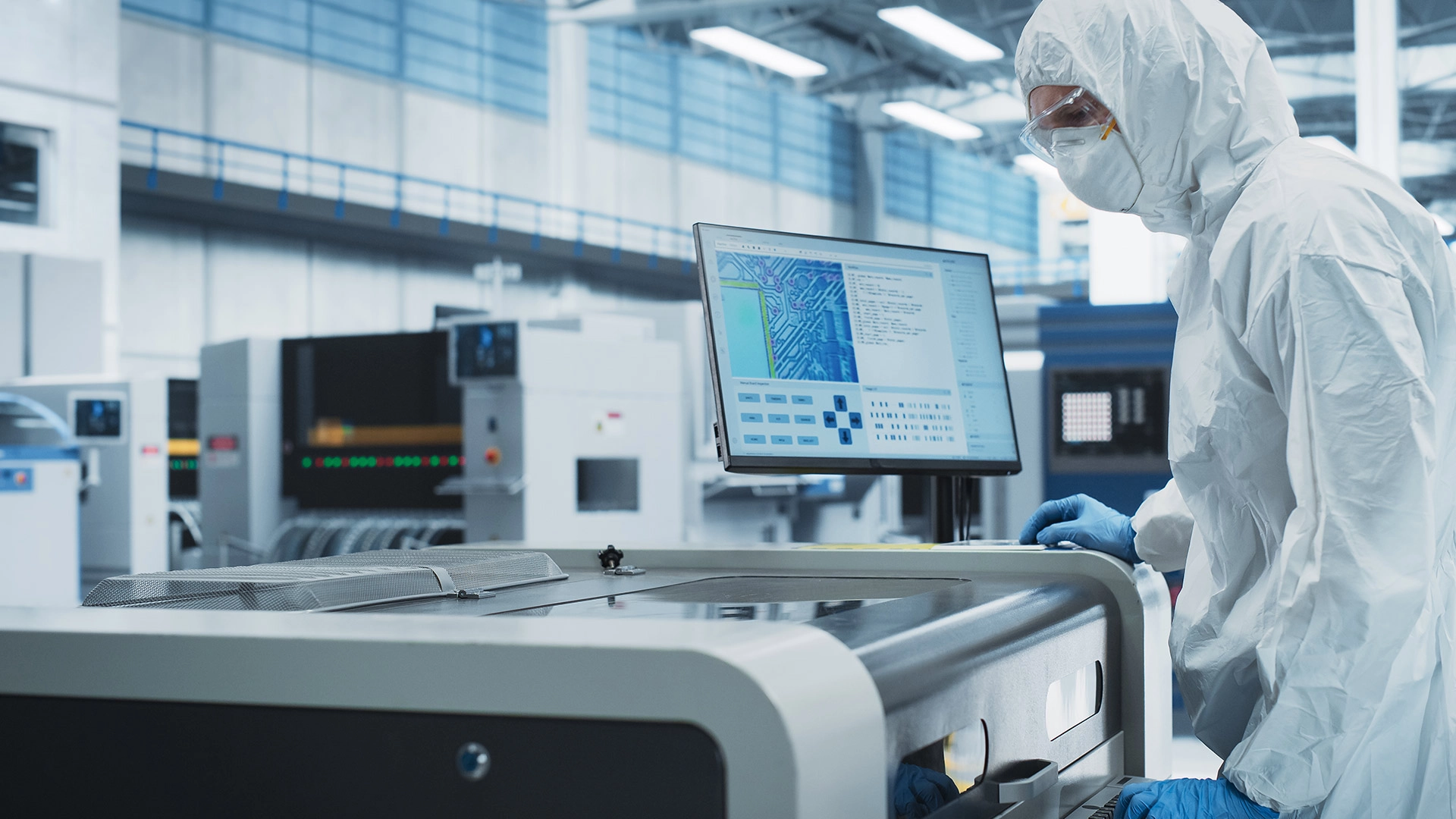
Fab upgrades often take place while production continues. Because tools, utilities, work areas, and operational teams are closely connected, changes in one area can affect activity elsewhere in the facility. That interdependence makes coordination and continuity critical.
Stage 5: Upgrading an active fab
Competitive technology roadmaps can create demand for smaller process nodes and higher chip yields, while capacity needs, changing product requirements, and chip energy-efficiency goals may also trigger upgrades to processes, equipment, and supporting infrastructure.
Upgrades can involve a range of activities, including:
- Moving, replacing, or reinstalling tools
- Expanding or retrofitting parts of the facility
- Modifying the utilities that support production equipment
- Decontaminating and safely transporting equipment
- Requalifying equipment before it returns to service
- Tracking assets throughout the process
According to Hubbard, the central challenge is completing this work without unnecessarily interrupting production. Equipment installation, utility tie-ins, qualification activities, and contamination-control work may all take place in or around an operating fab, increasing the need for careful sequencing and coordination.
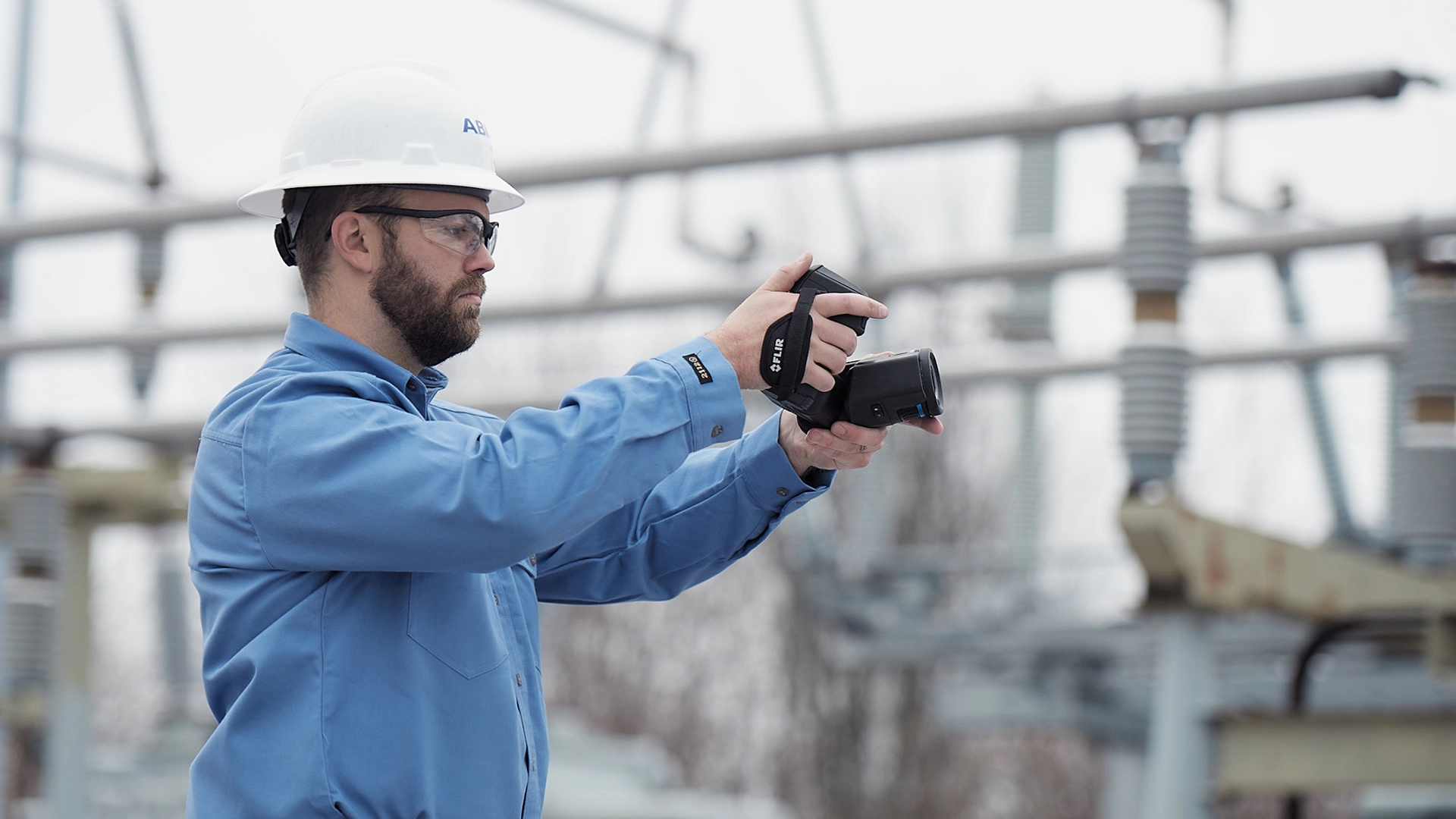
Teams familiar with the existing facility understand how its equipment, utilities, and operating requirements interact. That familiarity can reduce the learning curve, help teams account for site-specific constraints, and reveal potential conflicts before they create safety risks or sequencing problems.
Hare identified ABM’s work with OEMs and tool developers in their own manufacturing environments as another source of experience that can inform equipment upgrades and new fab projects.
Planning creates safety, speed, and continuity
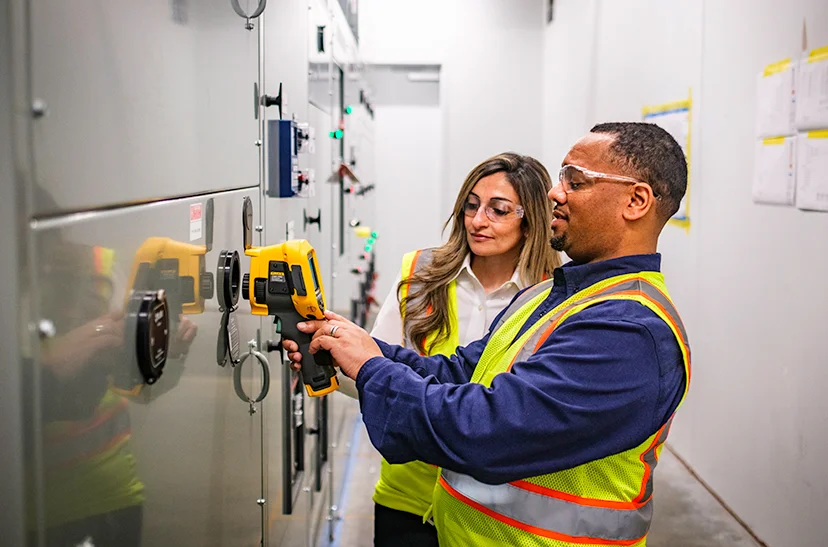
Effective upgrade planning begins well before equipment is moved or utilities are disconnected. Hubbard pointed to pull-plan meetings, during which the owner, OEMs, trades, and other project stakeholders map out each step and arrange the work in the necessary sequence. As dependencies become clear, teams can identify potential conflicts and address safety concerns before work begins.
“Successful owners will prioritize that partnership,” Hubbard said. “They’ll have detailed planning. They’ll use phased execution and risk-based scheduling to maintain production where possible without compromising worker safety or product quality.”
For Hubbard, safety also depends on culture. He said ABM’s semiconductor division works to make safe behavior “an inherent thing that we do.” He added, “We do it because we want to go home the same way we came into work.” That culture is reinforced by experienced project managers and safety personnel who understand the risks associated with construction, ongoing fab operations, and decommissioning.
This level of preparation can support speed as well as safety. As the old adage goes, “Slow is smooth and smooth is fast.” In an active fab, moving quickly and efficiently means relying on experienced teams to anticipate risks, coordinate the work, and reduce avoidable setbacks.
Continuity between phases strengthens that planning. Multiple vendor handoffs can create communication gaps, missed sequencing requirements, and schedule delays. When team members carry both semiconductor expertise and knowledge of the specific site into an upgrade, critical context can move with the work instead of having to be rebuilt at the start of each project.
Decommissioning requires the same discipline at the other end of the lifecycle
Eventually, the focus may shift from evolving the fab for continued production to preparing equipment, production lines, or the facility itself to leave service. Although the objective differs from an upgrade, decommissioning requires the same careful planning, coordination, and control.
Stage 6: Fab decommissioning
Decommissioning may sound like a straightforward equipment-removal process. However, Hare explained that in a semiconductor fab, specialized tools, complex utility systems, and exposure to hazardous gases and chemicals complicate the work considerably. Taking those tools offline safely requires a detailed plan that accounts for both the equipment and its operating history.
Hare described the complexity as a combination of interconnected challenges: “You’ve got decontamination of the equipment. You’ve got material handling challenges. You’ve got utility isolation to worry about. You’ve got the sequencing of the tools.”
Depending on the scope of the transition, decommissioning may involve:
- Deinstalling and removing equipment
- Isolating utilities and decontaminating tools
- Managing hazardous waste
- Safely transporting, shipping, or storing equipment
- Planning the broader site transition
These activities cannot be managed independently. The completion and timing of each step shape the work that follows, including when equipment can be safely moved and how teams access surrounding tools and utility connections. When decommissioning occurs near equipment or areas that remain operational, every move must be coordinated around ongoing production, requiring additional oversight and risk management.
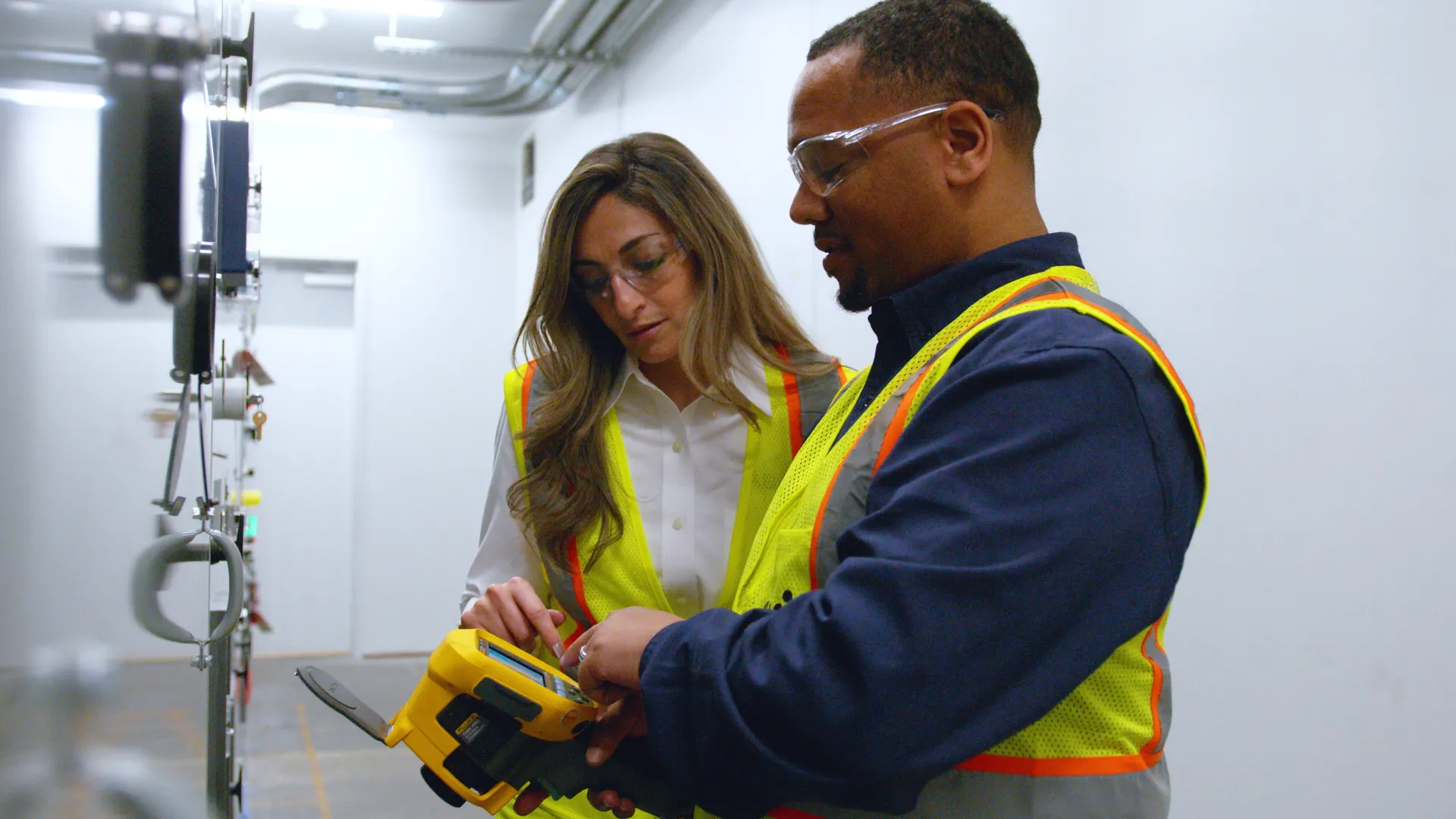
Site knowledge can strengthen coordination throughout decommissioning. Familiarity with utility connections and the surrounding operating environment gives project teams important context as they plan the sequence of work and address potential conflicts.
Equipment history informs what happens next
Once a tool leaves service, its condition and future manufacturing plans influence how the equipment owner proceeds. They may choose to retool it and return it to service, relocate or resell it, harvest usable parts and scrap the remainder, or dispose of the entire tool.
This decision can involve several factors, Hare explained, including the equipment’s market value, age, condition, previous application, relocation costs, and qualification requirements. Its process history also matters because exposure to certain gases or chemicals may affect the equipment’s condition and suitability for reuse.
Hare also noted that as manufacturing processes become more complex and retooling becomes more expensive, customers are “going to utilize these pieces of equipment as long as they can.”
Maintaining visibility throughout the transition requires clear documentation of the equipment’s history, contamination status, required utility connections, requalification needs, and final disposition. Because customers own the equipment and related process information, Hare said they typically retain those details internally. Doing so gives equipment owners and project teams a clear record of what has happened to the tool and what must be addressed before it can be recommissioned, resold, or relocated. This documentation also helps maintain accountability as tools and components pass between teams and locations.
Both stages depend on managing asset transitions deliberately
Across both stages, clear asset visibility, defined ownership, and coordinated planning support disciplined execution. Project stakeholders are better positioned to manage change when they establish the sequence of work, clarify responsibilities, and account for site-specific conditions early.
Maintaining alignment can be difficult even within the manufacturer’s own organization. Hubbard explained that construction, tool installation, cleanroom, and sustaining operations may all involve different internal teams, creating additional handoffs as the fab moves through its lifecycle. Supporting multiple phases gives those teams an opportunity to preserve accumulated knowledge and coordinate their efforts across major transitions.
“When you have a company like ABM running all six phases, there’s continuity, there’s efficiency, and that communication and experience just flows from one phase to the next,” Hubbard said.
ABM and WGNSTAR support equipment and facilities across upgrades, relocations, asset transitions, and decommissioning. That breadth allows experience and site knowledge to carry forward as responsibilities evolve, keeping the decisions, teams, and assets involved in changing the fab connected.
Conclusion
Full-scale production is one milestone in a fab’s lifecycle, not its endpoint. As technology and manufacturing needs change, fabs must be prepared to evolve their capabilities and eventually transition equipment or facilities out of service. Managing those changes well requires deliberate planning and coordination to maintain control, protect production continuity, and preserve the value of critical manufacturing assets.
Decisions made during each phase influence the fab’s readiness for the next. ABM and WGNSTAR bring a lifecycle perspective that helps manufacturers build, run, evolve, and ultimately transition their fabs.
Learn more about ABM’s semiconductor solutions or speak with an ABM semiconductor expert.