What is a cleanroom certification?

.svg)
Transcript
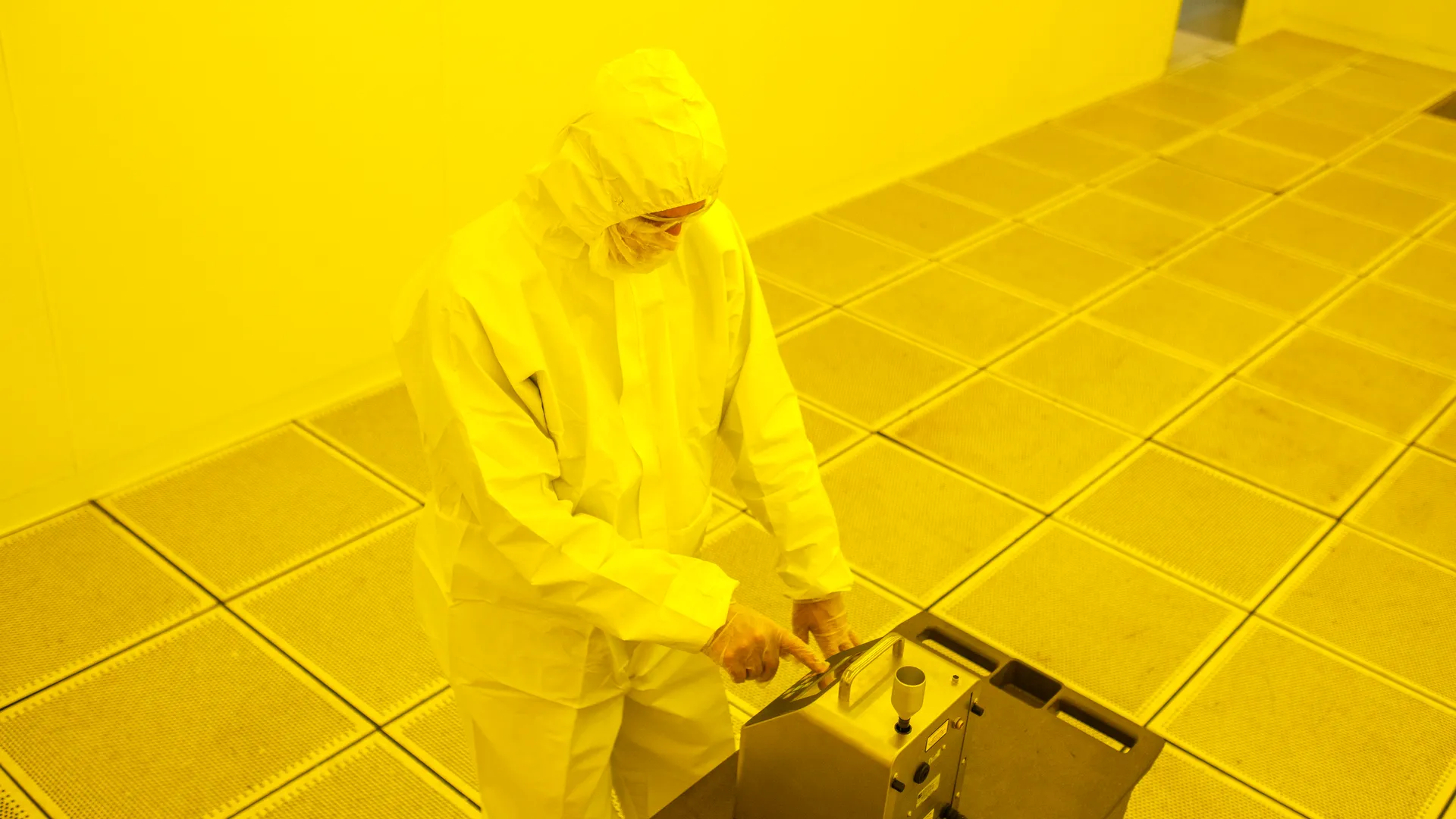
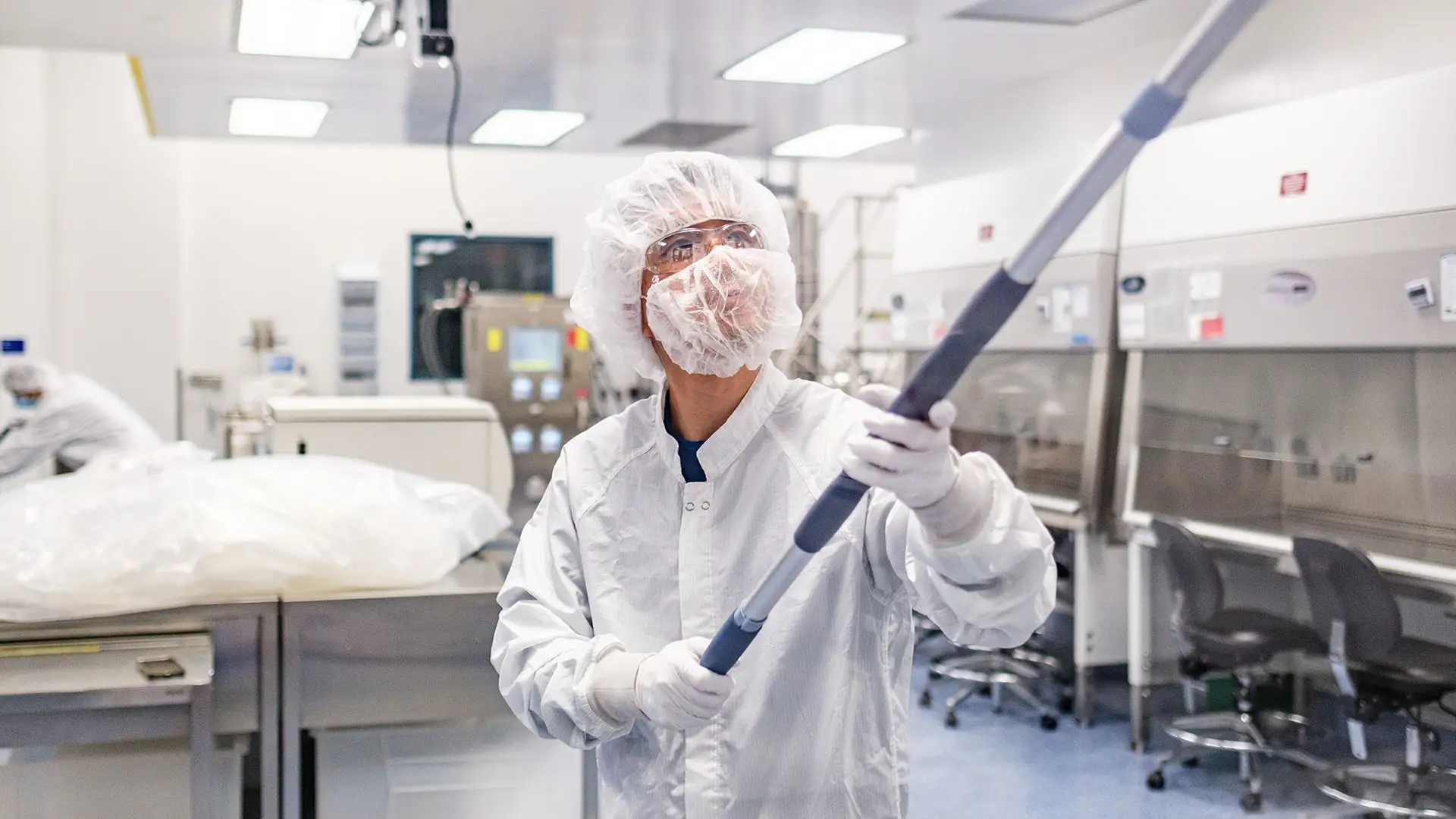
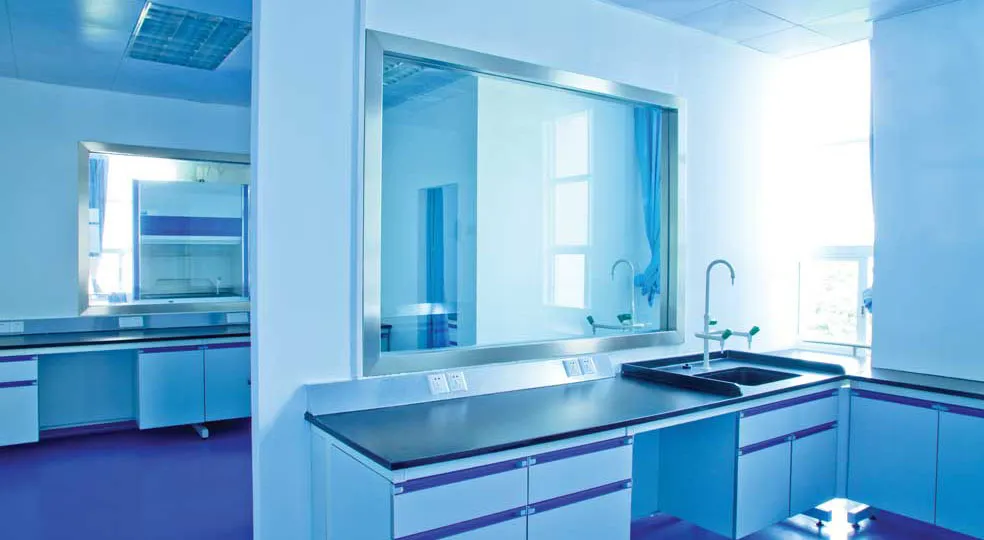
Cleanrooms are controlled environments used in industries where even microscopic contamination can compromise product integrity, safety, or research.
These spaces are specifically designed to limit the presence of airborne particles, regulate temperature and humidity, and prevent the growth of microorganisms. Cleanrooms are critical in sectors like pharmaceutical manufacturing, biotechnology, medical device production, aerospace, and semiconductor fabrication, where precision and contamination control are non-negotiable.
To maintain these strict conditions, cleanrooms must operate under rigid environmental standards and follow consistent cleaning, maintenance, and monitoring procedures. Regulatory bodies such as the FDA, ISO, and EU GMP require facilities to meet specific benchmarks for cleanliness and control, often down to the number of allowable particles per cubic meter.
Certification is a formal process used to verify that a cleanroom meets the standards defined by ISO 14644-1 or other applicable guidelines. It’s a stamp of readiness and regulatory compliance, assuring stakeholders, inspectors, and clients that your facility is fit for high-stakes operations. Certification typically involves particle testing, airflow validation, filter performance checks, and documentation of results.
Learn more about ABM’s cleanroom expertise.
What is cleanroom certification?
Cleanroom certification is the process of making sure a cleanroom meets strict standards for cleanliness, airflow, and contamination control. Companies within certain industries need to confirm that their facility is performing the way it should, especially in industries like pharmaceuticals, biotech, semiconductors, medical devices, and aerospace, where even the smallest particle can cause big problems. Certification helps prove the space is operating within the environmental and regulatory guidelines those industries demand.
Common cleanroom certification standards
Several industry standards serve as the foundation for cleanroom classification and certification:
ISO 14644-1
The most widely used standard for cleanrooms, ISO 14644-1, classifies cleanrooms by particle concentration per cubic meter. Certification counts particles to confirm the room meets necessary levels (e.g., ISO Class 5, ISO Class 7).1
GMP (Good Manufacturing Practice)
Regulated industries (like pharmaceuticals) often follow GMP protocols in addition to ISO. GMP requirements emphasize not only environmental control but also personnel practices, documentation, and operational procedures.2
FS209E
An older U.S. federal standard (now replaced by ISO 14644) that still shows up in legacy systems and documentation. FS209E classified cleanrooms using imperial measurements of particle count per cubic foot.
What the certification process includes
Cleanroom certification is a comprehensive performance evaluation. Certification typically involves:
- Airflow testing
- Particle count testing
- Air changes per hour (ACH)
- HEPA/ULPA filter integrity testing
- Pressure differential checks
- Temperature and humidity measurements
- Visual inspections
Common causes of failure
- Filter inefficiency or leaks
- Inadequate air change rates
- Cross-contamination (personnel, equipment)
- Lack of integrated monitoring
- Poor housekeeping and cleaning habits
Certification must be performed by trained professionals using calibrated equipment, and is typically performed every 6 to 12 months or following any major system upgrade or maintenance.3
Who needs cleanroom certification?
Cleanroom certification is often a strict requirement across a range of high-stakes industries where product integrity, patient safety, and operational excellence are non-negotiable.
Common industries that require certification
Pharmaceuticals
Cleanrooms in pharmaceutical manufacturing need to meet strict contamination control standards to ensure that medications are safe for human use. Certification is often required for compliance with FDA or EMA regulations.
Biotechnology
Biotech environments deal with cell cultures, DNA, RNA, and other sensitive biological materials. Even trace contamination can compromise research or production, making cleanroom certification essential.
Medical device manufacturing
The FDA requires that devices be manufactured in controlled environments. Certification helps ensure particulate levels and sterility are within acceptable limits for products that come in contact with the human body.
Electronics and semiconductor manufacturing
Even microscopic particles can destroy integrated circuits or reduce product yield. Semiconductor cleanrooms often require ISO Class 5 or cleaner, and rigorous testing during certification ensures consistent environmental control.
Aerospace
Aerospace applications (particularly satellite assembly or avionics) rely on cleanrooms to eliminate particles that can interfere with sensitive instrumentation or system reliability.
Regulatory drivers
External regulatory bodies often mandate certification. These include:
- FDA (U.S. Food and Drug Administration) for pharmaceuticals and medical devices
- EMA (European Medicines Agency) for facilities exporting or operating in Europe
- ISO (International Organization for Standardization) for international certification compliance
- USP (United States Pharmacopeia) for compounding facilities
In many cases, failing to maintain valid certification can result in production shutdowns, failed audits, or loss of business.
What’s involved in cleanroom certification, and how ABM supports it
Certification is a comprehensive validation that your cleanroom meets strict cleanliness and performance standards. ABM helps you meet those standards from every angle.
Testing and validation
Cleanroom certification typically includes:
- ISO classification (Classes 1–9)
- Particle count testing
- HEPA/ULPA filter integrity testing
- Airflow visualization (smoke studies)
- Recovery rate testing
- Differential pressure validation
- Temperature and humidity checks
ABM provides the technical services and support necessary to pass these tests, from air flow engineering to contamination control cleaning.
Operational readiness and daily compliance
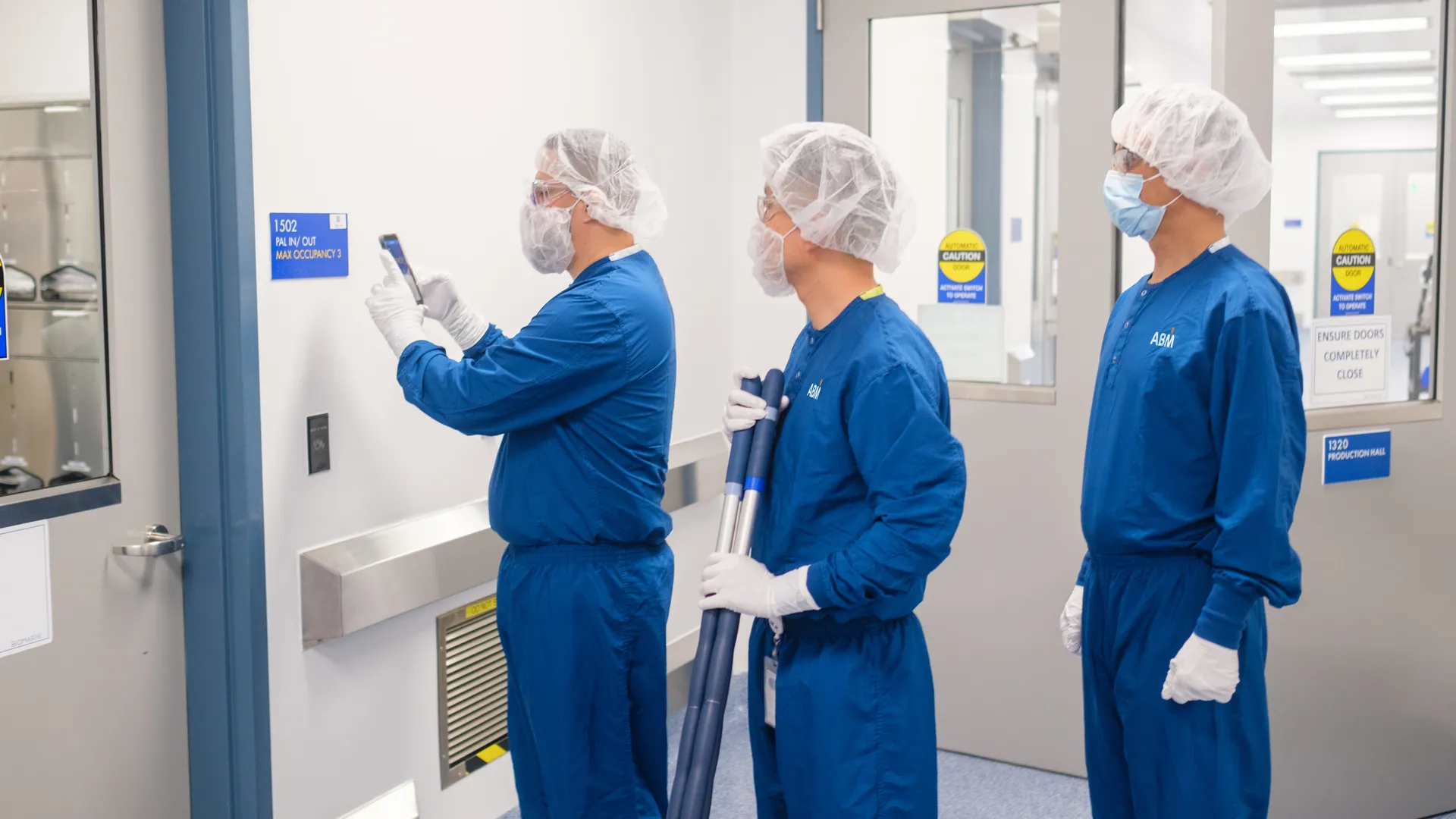
ABM helps ensure you're always ready to meet regulatory requirements and customer expectations. ABM keeps your cleanroom in a state of audit readiness with:
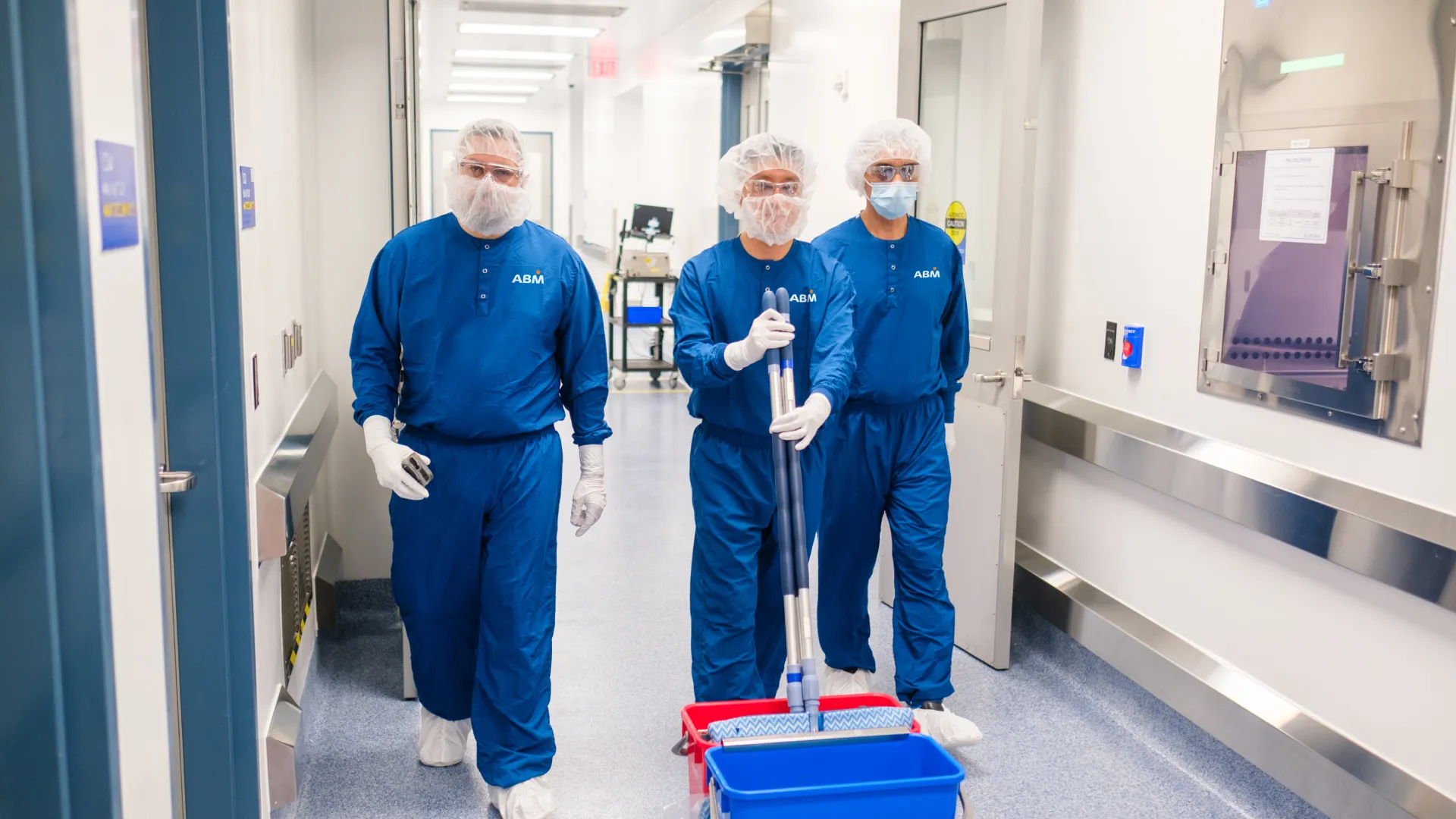
- Daily and terminal cleaning to ISO and GMP standards
- High-performance sterile disinfection
- Trained, badge-certified cleanroom technicians
- Complete documentation and audit prep support
- Environmental monitoring assistance
- Industry-specific expertise (pharma, semiconductors, aerospace, etc.)
Why ongoing support matters
Cleanrooms must maintain strict standards every day to ensure ongoing compliance, avoid costly revalidations, and keep production running uninterrupted. Specialized semiconductor facility maintenance and cleanroom services help sustain those conditions.
That’s where a professional cleaning partner makes all the difference. ABM understands the unique challenges of controlled environments. From ISO-classified spaces to GMP facilities, our cleanroom-trained teams follow industry-specific protocols to prevent contamination and support audit readiness.
With scalable staffing, documented SOPs, and integrated facilities services, ABM helps reduce risk and keeps your cleanroom inspection-ready.
Explore ABM’s cleanroom services to ensure your facility meets and maintains cleanroom certification standards.

%20(1).webp)