How to train the human (and machine) workforce of tomorrow

.svg)
Key Takeaways
- Catching technical and operational failures before they happen can cut emergency repair costs by 40% — but only if your team knows how to act on smart building system alerts.
- Deploying smart building technology without training the people who operate it creates a knowledge gap that limits your return on investment.
- Technicians today must learn to read performance dashboards and manage digital work orders, not instead of hands-on expertise, but on top of it.
- When experienced technicians leave, their unwritten institutional knowledge disappears with them, and better data capture is how you start to preserve it.
Transcript
It's 6:47 a.m. Before the first occupant badges into the building, Marcus, an ABM engineering technician, is already three steps ahead.
His tablet shows a diagnostics summary pulled from the building's IoT sensors. One rooftop HVAC unit flagged a subtle pressure variance. It’s nothing that would have triggered a work order under the old model, but the predictive maintenance platform caught it. Marcus has already scheduled the inspection and mapped his morning around fixing a problem most occupants will never know existed.
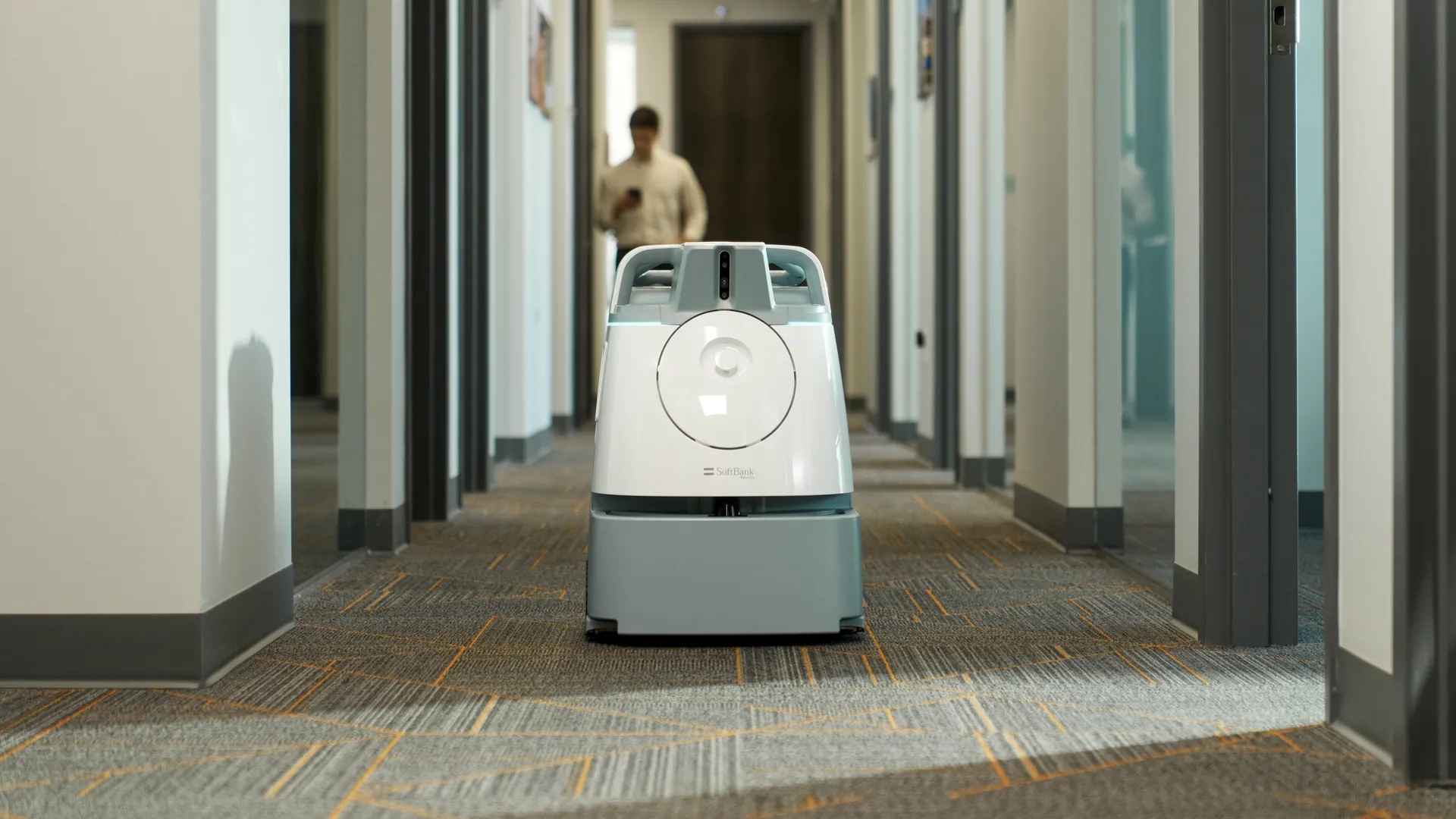
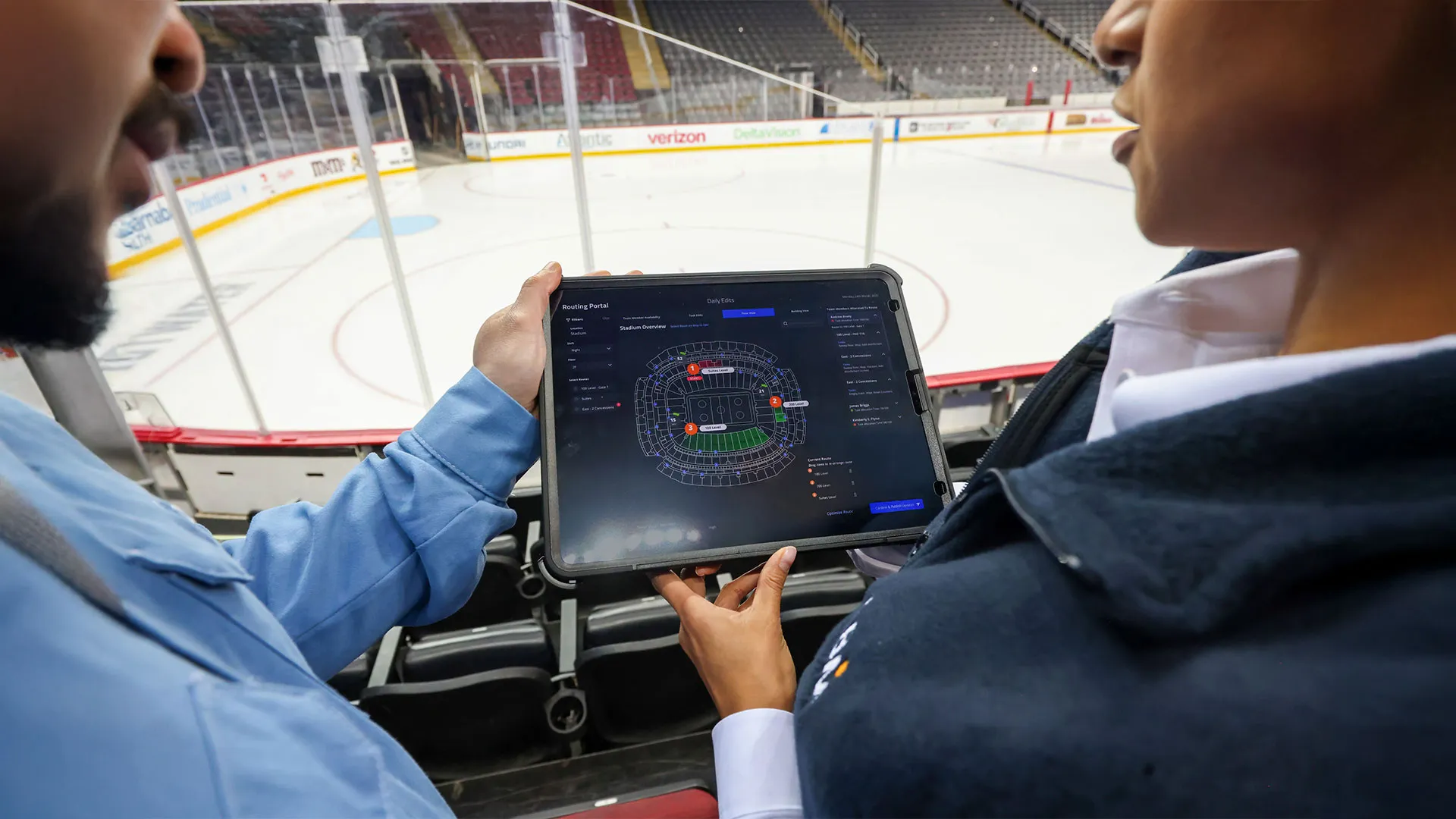
Two floors down, Elena is updating her cleaning route. ABM Connect™ has adjusted her schedule based on real-time occupancy data. A conference room cleared early, and a lobby corridor is showing elevated footfall. Her mobile device updates automatically, making it easy to plan her day.
In the operations center, David gets an alert. The HVAC system ran outside expected parameters during peak occupancy hours. He identifies a likely equipment issue, logs it, and routes a follow-up work order directly through the CMMS workflow, ensuring the right technician is dispatched before the morning shift begins.
Three people, working in three different roles, getting information from one seamless operating picture. This is what it looks like when technology empowers your workforce to make better decisions.
In part one of this series, we examined how facility management skills are evolving to meet the increasing complexity of smart buildings. Part II will examine what employees can do with those skills once they’re equipped for success.
The facilities teams best positioned for what's coming are not necessarily the ones with the most sophisticated systems. They're the ones with people who know how to use them.
Why human-machine collaboration matters
The case for smarter facilities is well established. Facilities leveraging connected intelligence see measurable gains in uptime, occupant satisfaction, and operational savings. Proactive system intelligence can reduce emergency repair costs by 40% and significantly extend equipment life.
Tech-empowered predictive maintenance is far more cost-effective than repairs. With ABM Connect Predictive Maintenance:
- AI-powered insights forecast equipment failures before they occur
- Tasks and CMMS work-order requests can be initiated proactively
- Asset life is extended and capital planning is improved
- Energy performance is optimized with a holistic view across assets and systems
- Efficiency gains lead to reduced utility costs and lower emissions footprints
Facility owners are able to reduce emergency repair costs, improve energy efficiency, and protect operational continuity.
However, a predictive maintenance platform is only as valuable as the technician who acts on its alerts. A dynamic cleaning routing system is only as effective as the worker who trusts it enough to adjust their workflow. Ultimately, while AI excels at prediction and pattern recognition, most use cases will remain human-in-the-loop, requiring people to interpret, validate, and act on AI outputs. Deploying technology without training the people who operate it limits the value of your technology investment and causes a knowledge gap that can lead team members to disengage.
A self-performing workforce enables faster adoption of smart technology and real-time analytics. With direct team oversight, an integrated facility services model embeds mobile task apps, IoT sensors, and predictive service analytics across client facilities, accelerating performance and reducing risk. That only works because the workforce operating those tools has been hired, trained, and developed to use them, not handed a login and left to figure it out.
What differentiates how that technology performs is the workforce behind it, and whether they've been set up for success to use the tools that make the difference.
The new operating model: human and machine collaboration
Picture a technician working through their daily tasks the old way. They start a timer, complete the work, return to the shop, and close the ticket. It requires back-and-forth trips to the workshop to log the task somewhere: on paper, in an outdated system, or not at all.
With an AI-powered data intelligence platform like ABM Connect, that same technician receives an equipment alert, responds in the field, and documents the issue directly from their mobile device using TEAM Connect, scanning the equipment QR code and capturing the details on-site. That activity connects back to the asset's diagnostic history and recommended action, closing the loop between detection and execution. Operations gets visibility into issue status, avoidance costs, and performance trends, all in one place.
That kind of automation does two things at once. It frees people to focus on work that actually requires judgment. And it gives organizations data they've never had before: a complete maintenance history for every asset. When something breaks down repeatedly, the facilities manager now has the documentation to make the case for replacing a part rather than patching the problem indefinitely.
It also addresses a problem that’s becoming more prevalent as facilities professionals retire in greater numbers. As Angela Culver, ABM's VP of Performance Solutions, puts it, experienced technicians carry what she calls the "right duct tape and voodoo" that keeps an aging facility running: the accumulated, unwritten knowledge of systems they have quietly managed for years.
"Nobody knows there's a problem because the technician has been solving it the whole time," she says. "But when that person leaves, their knowledge disappears. Better data capture is part of how you begin to preserve that knowledge and make better decisions on where to spend money."
This is what it means for technology to be a performance amplifier rather than a replacement. ABM Connect surfaces signals that used to fall through the cracks — a late task, a failed inspection, an unexpected callout —so supervisors can act before a gap becomes a problem. For engineering technicians, predictive maintenance capabilities shift the workflow from reactive to proactive: reviewing diagnostics, anticipating failures, deploying expertise where it's actually needed. The machine catches the pattern, and the person makes the call.
Upskilling in action: ABM Connect
Historically, building maintenance was either scheduled or reactive. A technician serviced equipment on a set schedule or fixed it when it broke. Diagnosis happened in person, in the moment, drawing on whatever institutional knowledge they carried in their head. An experienced engineer who had spent years with the same building could tell something was wrong by the sound of a pump or the feel of a pipe, a form of expertise that was genuine, hard-won, and almost impossible to transfer.
This approach to maintenance meant every day started with whatever the building decided to throw at you. Preventive schedules existed on paper, but in practice, competed with more pressing emergencies. Often, the same equipment would fail in the same predictable ways.
Today, buildings generate data continuously. BMS and sensor/IoT data monitor vibration, temperature variance, energy draw, and dozens of other performance indicators in real time. Platforms like ABM Connect Predictive Maintenance produce a running record of how critical system in a building is behaving, and flagging when something drifts outside its expected range. The information that used to live only in an experienced engineer's memory now exists in the infrastructure itself.
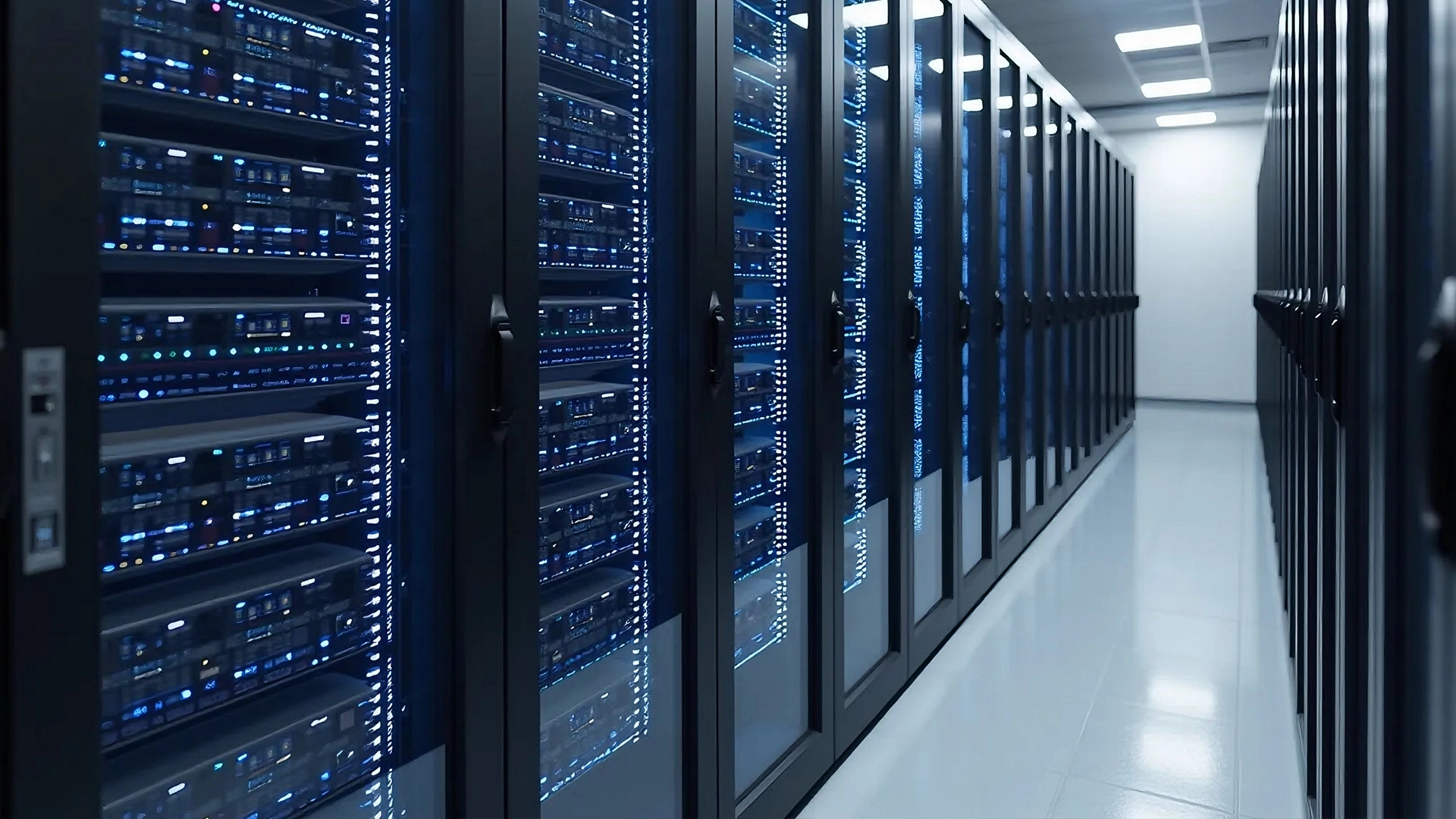
But data without interpretation is just noise. Which is why the more significant shift isn't technological. It's the training being built around the technology. Technicians are being asked to develop fluency in a new language, one that runs alongside their existing expertise rather than replacing it. In practice, this means learning how to read and act on performance dashboards, understand how building automation systems generate and transmit data, manage digital workorders through a CMMS platform, and apply those skills in high-stakes environments — like data centers — where uptime requirements leave almost no margin for error. The foundation of hands-on mechanical knowledge doesn't go away. It gets a sharper set of tools to work with.
What does that look like in practice? By the time a technician logs in for the day, the monitoring platform has already been tracking the building's systems overnight, surfacing anything that has drifted outside expected ranges. Imagine there's a flag on one of the facility's cooling units: vibration readings have been trending upward over the past seventy-two hours, not dramatically, but consistently. On its own, the number means little. In context, this unit has a history of bearing issues in shoulder seasons, and the building has a fully-booked conference floor today. The technician should look into the issue before 9am.
He does. The bearing is showing early wear. He logs a work order in the CMMS, pulls are placement part from inventory, and has the unit serviced before the first meeting rooms fill up. The building's busiest day of the week runs without a complaint.
Engineers who have moved through this kind of training aren't doing less. They're covering more ground, catching more problems earlier, and spending less of their day responding to failures that could have been prevented.
The future outlook
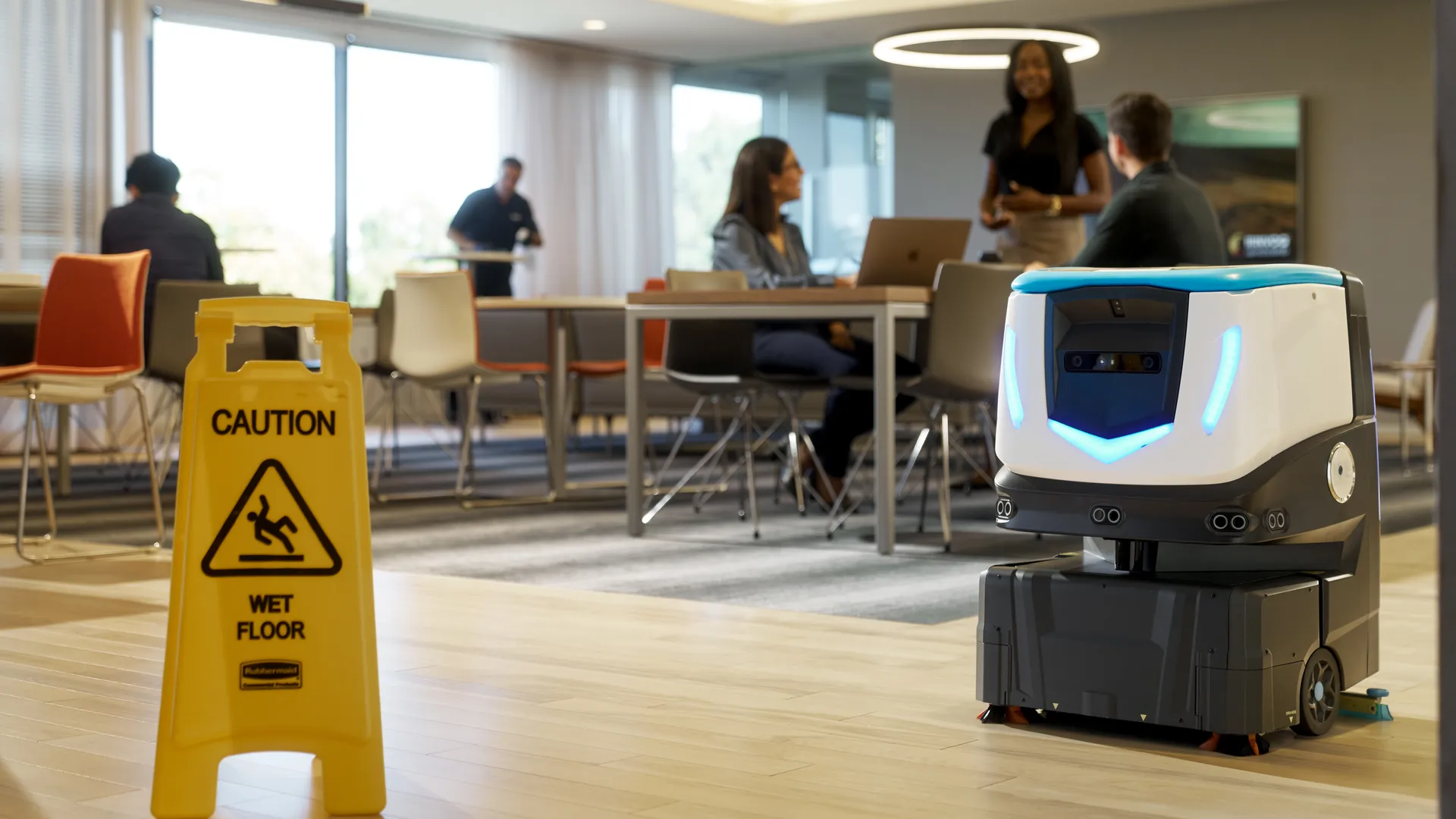
Smart building tech, robotics, and AI don't run themselves. They run because of trained, motivated, accountable people. Far from replacing skilled technicians, building technology empowers self-performing workforces to spend time on high-value tasks.
Yet, many facility owners are behind on training and upskilling initiatives that can maximize the full value of their building tech investment. Closing that gap requires investment at both ends of the talent pipeline simultaneously: upskilling the experienced workforce that already knows the buildings, while creating genuine on-ramps for the next generation of technicians who arrive digitally fluent but lack the hands-on foundation.
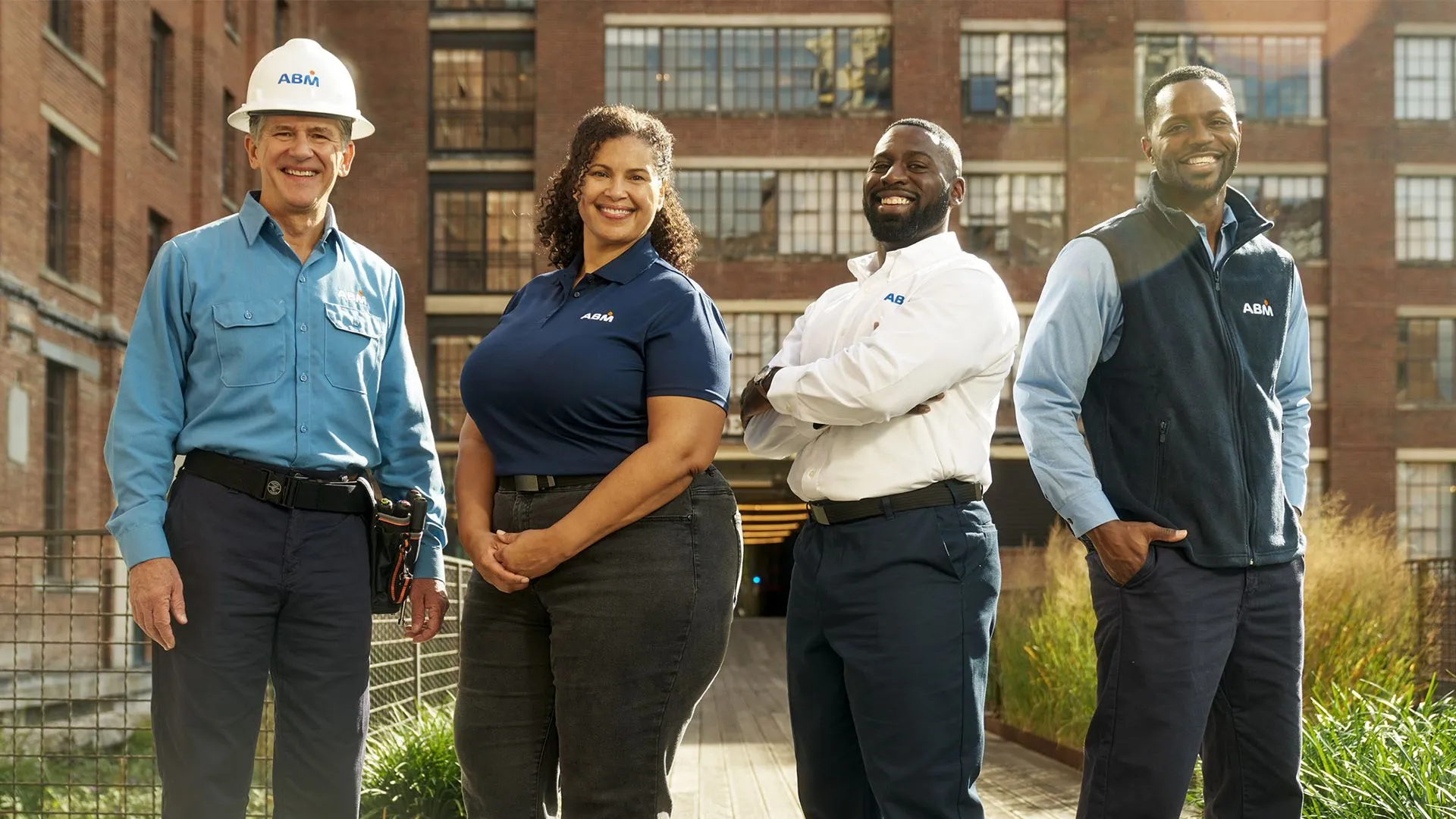
At ABM, more than 100,000 people work every day making the promises of smart building technology real for our clients. The sensors, the dashboards, and the predictive maintenance platforms are force multipliers for a self-performing workforce that already knows the buildings, the systems, and the stakes. When that workforce is well-trained, well-supported, and given the tools to do the job at its highest level, the results show up in building performance, occupant experience, and energy efficiency.
Speak with an expert to learn more about ABM Connect and how it's changing the way engineering teams work.

.webp)



.webp)

%20(1).webp)