What keeps the lights on when the grid fails


Key Takeaways
- Start with the outcome, notthe equipment. The best results come whenclients define what must stay online and let an experienced partner design thesystem around it.
- Every component has a distinctjob. Generation, switchgear, controls, battery storage,and monitoring work together, and resilience depends on all five.
- Monitoring turns a workingsystem into a resilient one. Around-the-clock oversightcatches problems that equipment alone cannot see, well before they becomelosses.
Transcript
The resilience needed to stay operational during a power outage is won months before the event. It takes not only the right approach, but the right technology in place to maintain power during a natural disaster, a grid failure, or an equipment breakdown. Usually, the technology needed is a combination of on-site power generation, such as generators and battery storage, and the switchgear, controls, and monitoring that direct and manage that power.
For many leaders, that system can feel like a black box. Cody Guidry, Vice President of Sales for ABM Energy & Power Solutions, said in our most recent What’s Possible panel discussion that facility leaders do not need to become power engineers to make good decisions.
To understand what your facility needs to be more resilient, start with the outcome, not the equipment. The most productive conversations about on-site power begin with business goals, not hardware. Guidry says many clients arrive unsure where to begin, and that is exactly where ABM meets them.
"In some cases, clients have not thought about it much at all. In others, they have engaged a local engineering firm and have some idea of what they want to do," he said. "We meet them where they are and shape a solution around what they need to achieve. They do not want to talk about tech specs. They want to talk about what they are trying to accomplish."
Understanding the role each component plays still helps leaders ask better questions. Here is what each one does.
The five jobs of a resilient power system
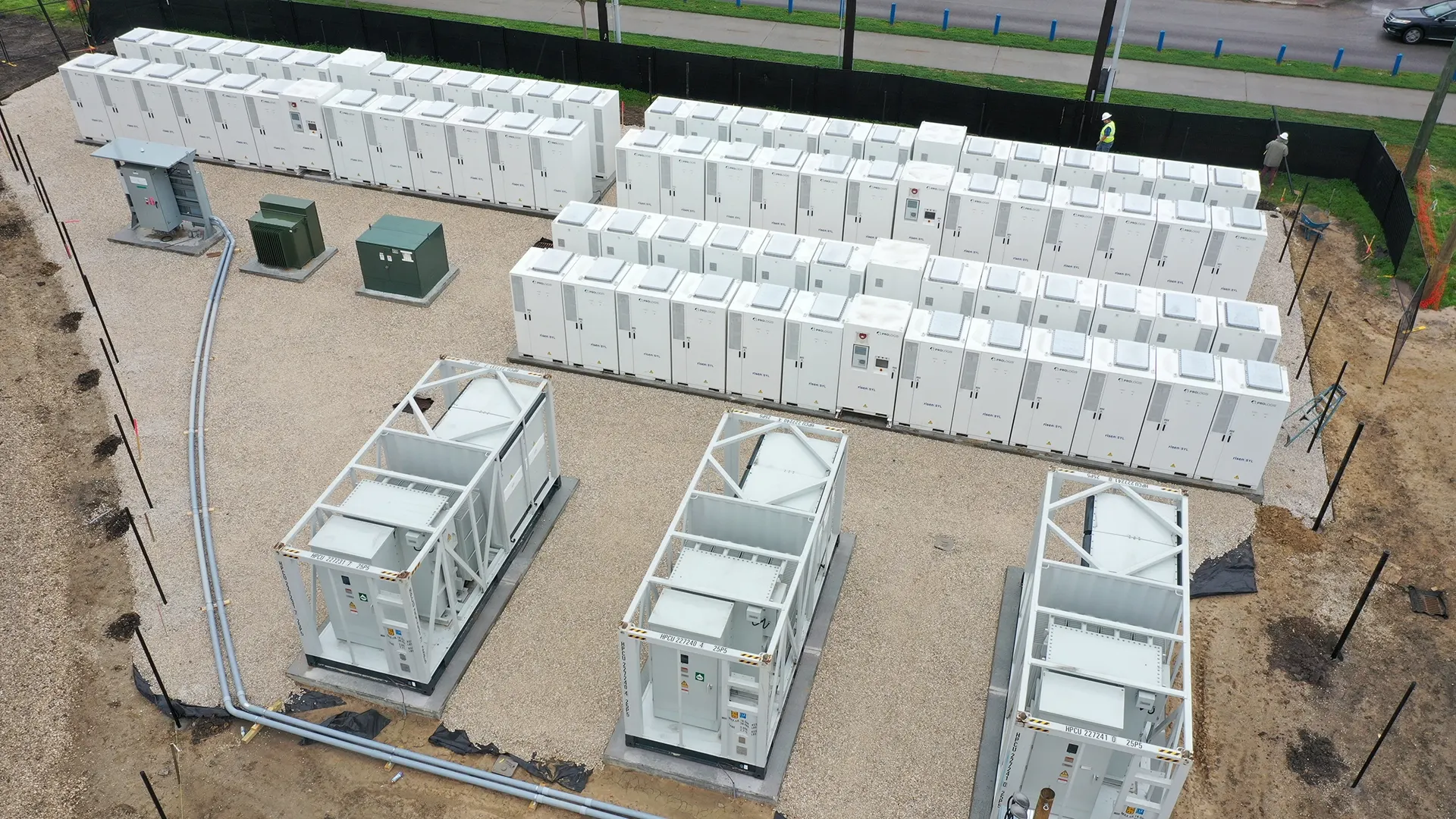
A resilient on-site power system, often called a microgrid, is more than a generator. As Guidry explains, the generator is only the starting point. Several other components work alongside it to keep a facility running.
Generation makes power when the grid cannot. A diesel or natural gas generator is the most common option, sometimes paired with fuel cells or solar power.
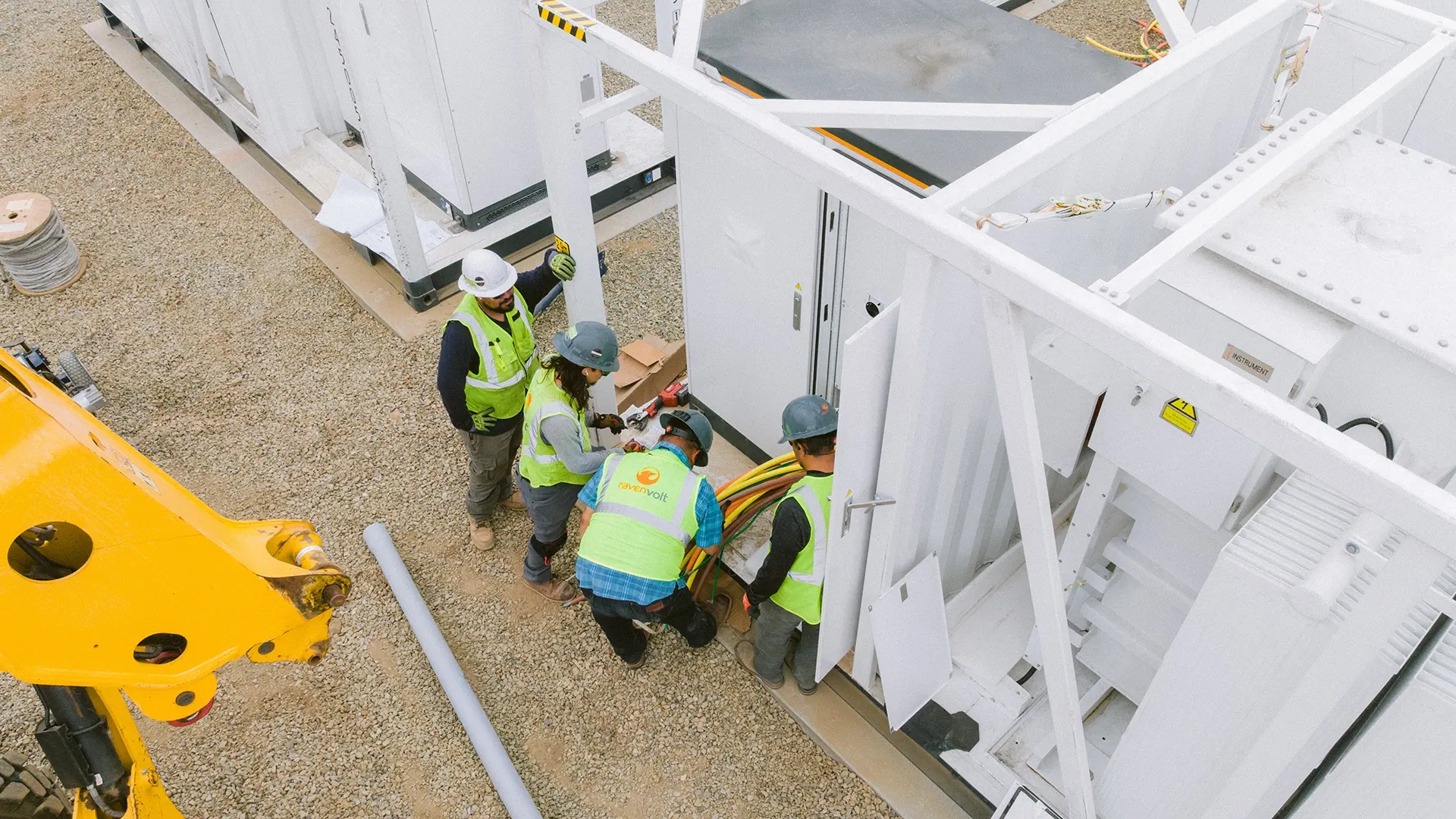
Switchgear directs where that power goes. When the grid fails, switchgear separates the facility from the utility and routes power to the loads that need it, allowing the site to run as its own power island. ABM RavenVolt designs its switchgear in-house, so each system can be tailored to the site it serves.
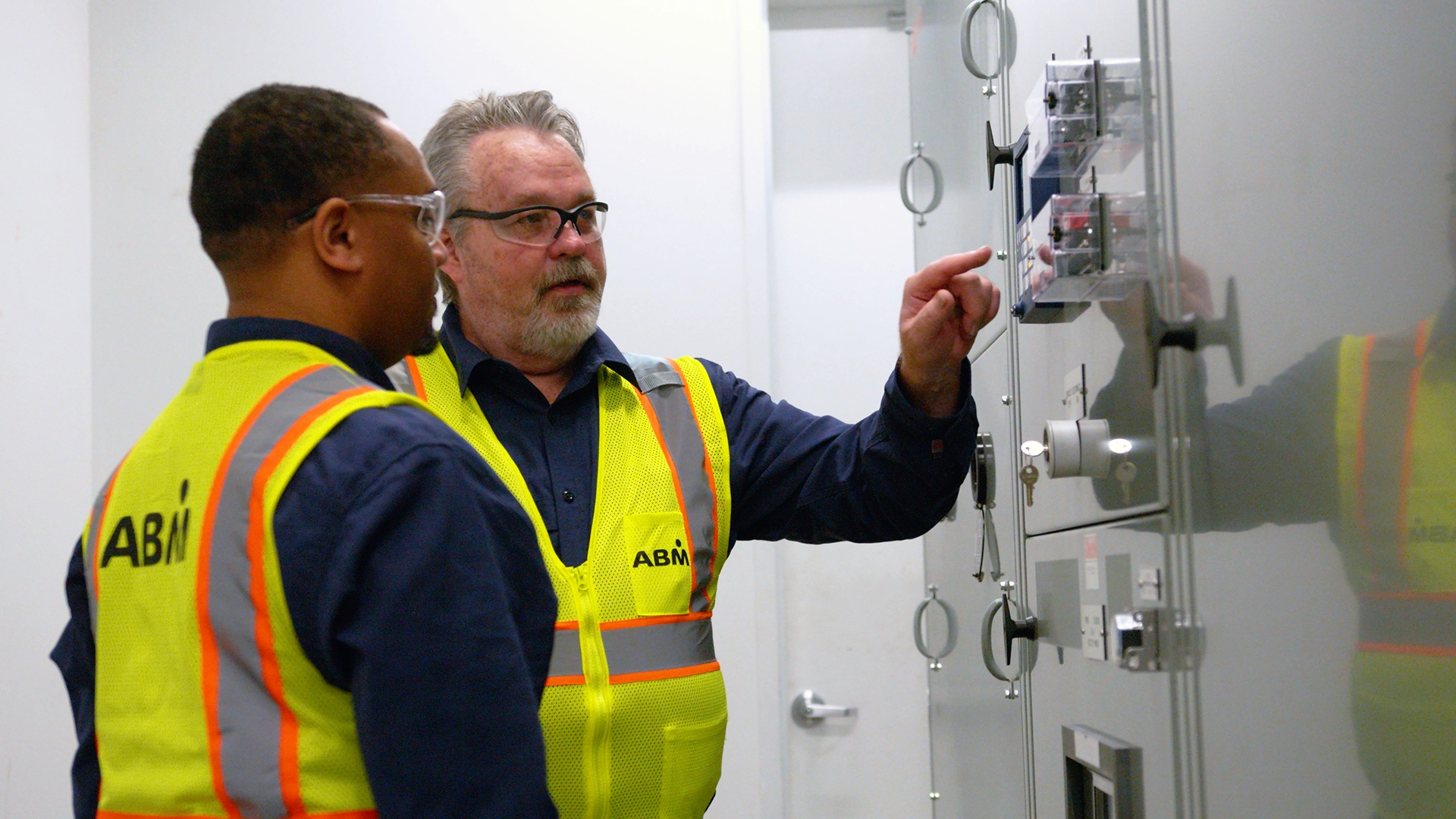
Intelligent controls flip the switches. No one should have to run through a dark building to find the right breaker. "The utility power went out, and it does not look like it is coming back. You need to turn this on and flip this breaker," Guidry said. "You want all of that automated."
Battery storage buys hours. A battery energy storage system can bridge the gap until a generator takes over, or carry critical loads on its own for a limited time. Commercial systems are commonly modeled at about four hours of storage. "Battery storage is measured in hours, not days," Guidry said, "but there are many applications where it is part of the resilience stack."
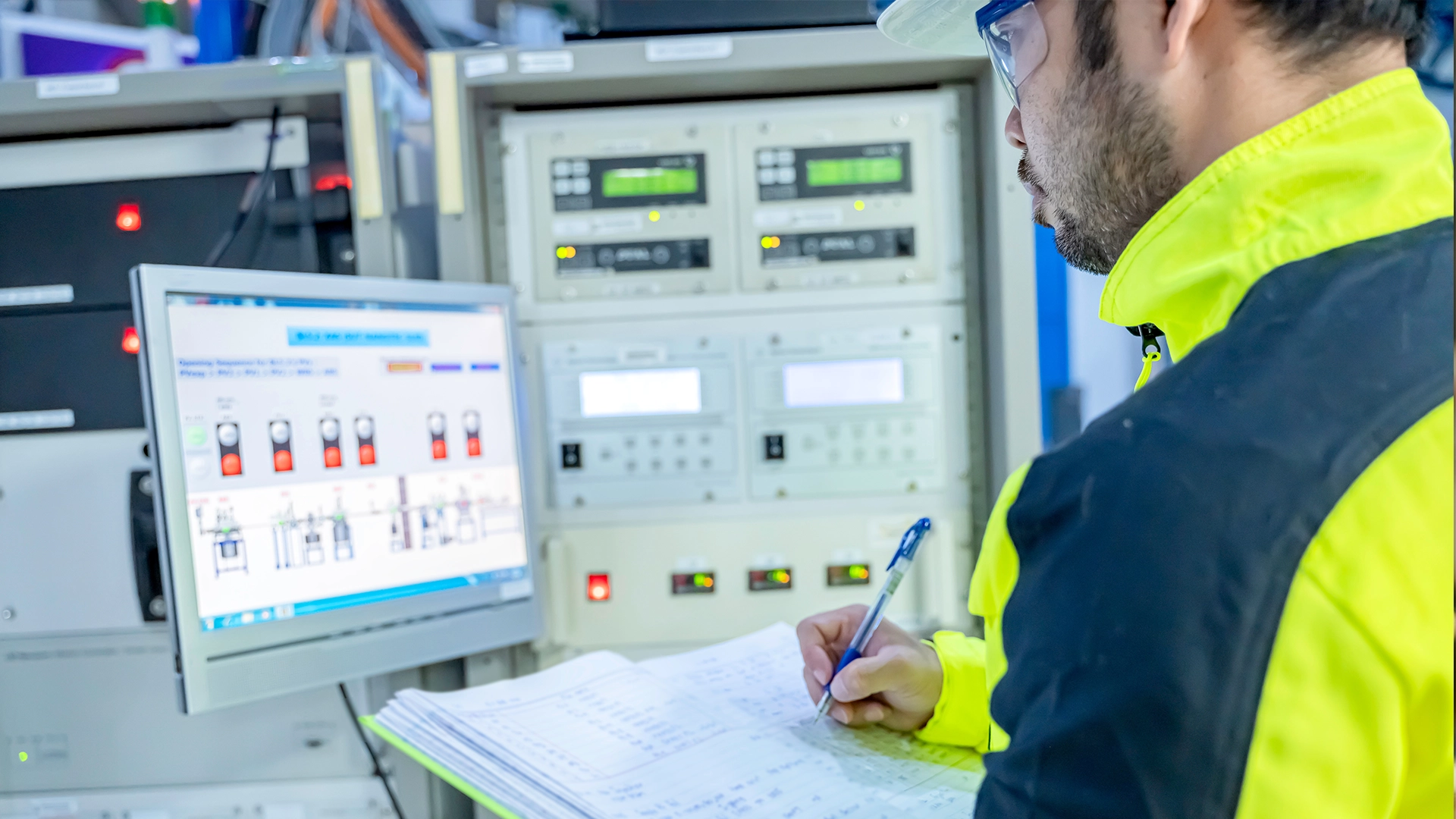
24/7 monitoring keeps watch when no one else is. Every component needs someone making sure it performs as intended, at any hour. ABM's network operations center (NOC) monitors systems around the clock, detects anomalies as they happen, and dispatches field technicians when something needs attention.
For Ryan Shaw, Senior Vice President of Operations and Maintenance for ABM Energy & Power Solutions, that constant oversight matters most after hours. "When the power goes out in the middle of the night, it can be worse than during the day," he said. "You do not immediately have resources at your disposal."
What monitoring catches that equipment cannot
A system that delivers power is not the same as a system that delivers an outcome. The goal is not a running generator. It is a facility that keeps doing what it needs to do. Monitoring is what connects the two. What does this look like in practice?
When the grid went down at one major grocery retailer, the site's generator started exactly as designed. But because ABM's NOC monitored the system around the clock, the team noticed something unusual.
"When that system spun back up, we noticed a lower demand than we had seen before the outage, meaning the site was drawing less power," Shaw said. "That triggered an anomaly alert, and our team called the site and recommended they check their compressors. They found that a refrigeration unit had gone down as a result of the outage."
Without monitoring, the store would have learned about the failure only when temperatures started to climb, much later and with far less time to protect its inventory. The generator kept the power on, but monitoring made sure the business kept performing.
Questions to bring to a first conversation
Leaders do not need a list of specs to start evaluating what solutions they need to build a resilient system. As Guidry noted earlier in this series, every design begins with understanding what a facility cannot afford to lose. Here are a few questions that can help start the conversation.
- What can we not afford to lose? Is it the entire facility, or specific critical loads?
- How long do we need to stay online? Minutes, hours, and days call for different solutions.
- Who is watching the system when no one is on site?
- How will the system be tested and maintained over its lifetime?
- What will our power needs look like in five years? New loads, such as EV charging, can change the design?
The technology behind on-site power is complex, but the goal is straightforward: minimal downtime. When the right system is in place, the grid can fail and the people inside the building may never know anything went wrong.
In the final article in this series, our panel explains why splitting design, procurement, and construction across separate parties creates hidden risk, and how a single point of accountability delivers a better outcome.
Learn more about ABM Energy and Power Solutions: https://www.abm.com/energypower