Why power outages are now a boardroom problem


Key Takeaways
- Power is aboard-level decision. Outages can cost some operations millions of dollars per hour, which places energy squarely in the realm of enterprise risk.
- Resilience is a strategy, not a product. Lasting protection comes from a plan that connects design, technology, maintenance, and asset lifecycle.
- The cost of inaction is measurable and growing. Outages are more frequent, last longer, and are increasingly driven by extreme weather.
Transcript
For years, electricity was a line item in the budget. Across facility teams, finance, and leadership, the general assumption was that the grid would provide power whenever it was needed. Today, that assumption is no longer guaranteed.
This four-part series expands on the most salient points in ABM’s recent What’s Possible expert panel series, The Rise of Resilience. Three ABM energy leaders discuss the new reality: that energy resilience is no longer just an operations concern. It is a business strategy.
According to the U.S. Department of Energy, power outages cost U.S. businesses and consumers $121 billion in a single year. The number of major outages has grown 30% over the last five years, and the average outage now lasts two hours longer than it did a decade ago.
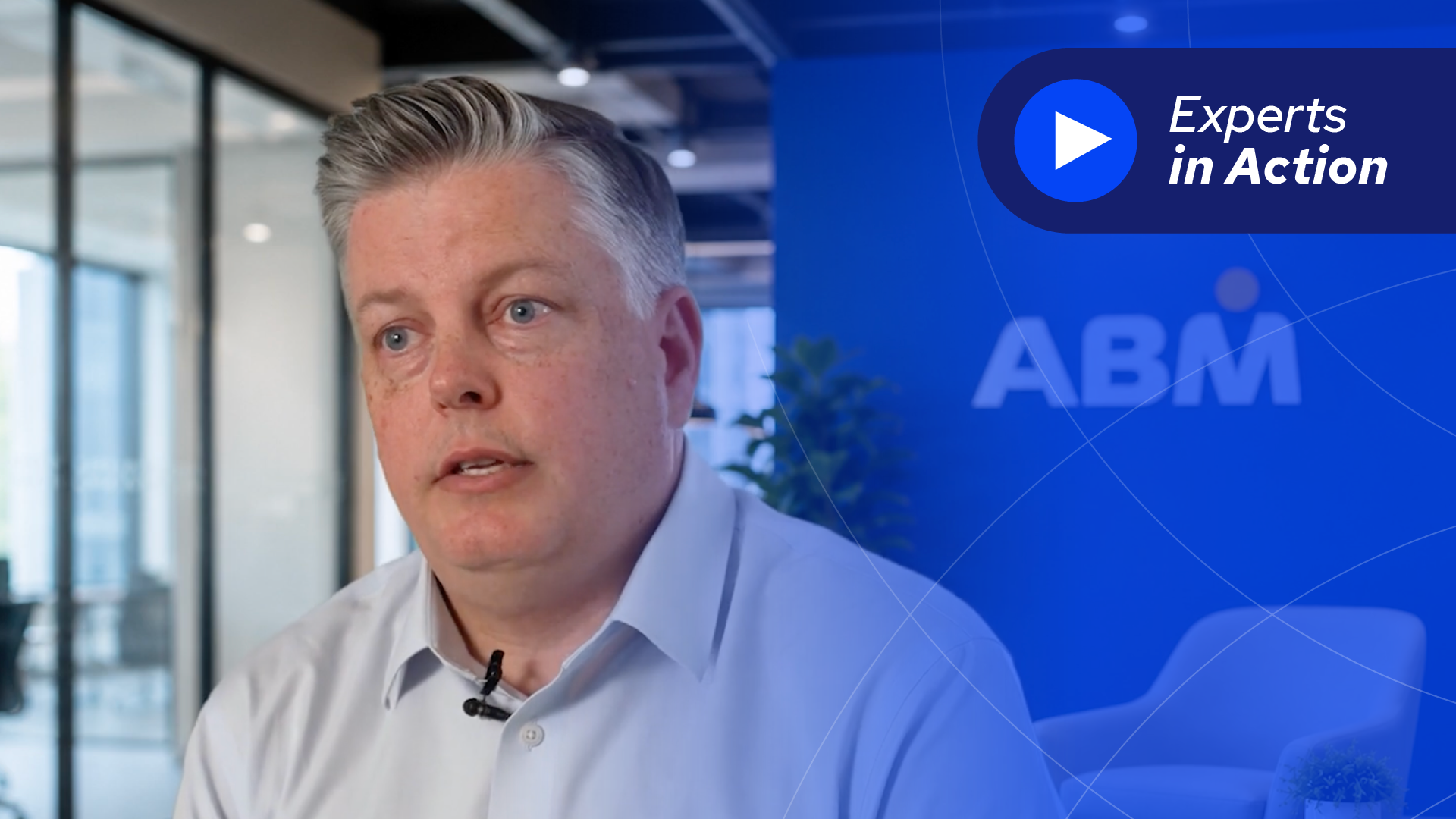
"Those are astronomical numbers," said Mark Hawkinson, President for Technical Solutions at ABM. "The need for resilience in our power and energy infrastructure is critical, and it is becoming more important because of the growth happening here in the United States."
What a power outage really costs
The numbers released by the Department of Energy are impressive, but they obscure some of the nuances of how severe outages really are. For a manufacturer, a power outage can cost an average of $2 million per hour. For a cold storage or food distribution operation, food safety rules set the clock: perishable goods held above 40 degrees for more than two hours must be discarded, putting hundreds of thousands of dollars in inventory at risk.
Ryan Shaw, Senior Vice President of Operations and Maintenance for ABM Energy & Power Solutions, sees this firsthand with retail clients. "For a major grocery retailer, losing power for four hours can mean half a million to $1 million in lost produce," he said. "Power continuity is essential."
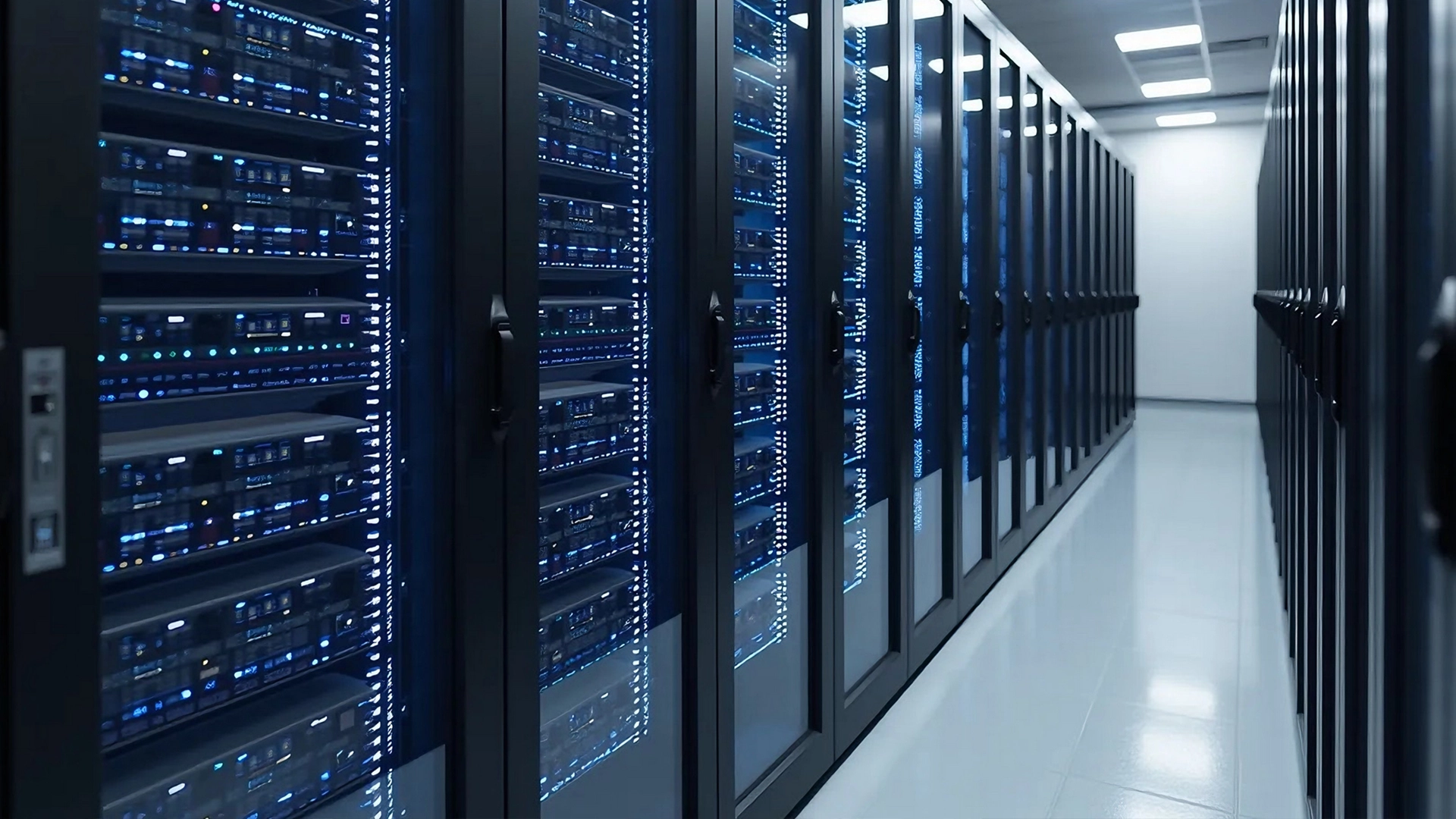
Mission critical facilities face an even tighter margin. At data centers, even a momentary power fluctuation can carry million-dollar consequences. Power availability, not capital, has become the primary constraint on development in this sector. Grid interconnections can take up to four years, and in some regions, utilities are quoting wait times of two to seven years.
The consequences of an outage aren’t just financial. Outages at life science laboratories can lead to recalls, regulatory action, manufacturing shutdowns, or even tainted products reaching customers. Reputational risk, noncompliance, and operational disruptions are all regular issues that result from power outages.
Why the risk of an outage is rising
Extreme weather caused 90% of major U.S. outages over the past 20 years, from hurricanes and wildfires to extreme heat and cold. At the same time, demand for power is climbing faster than the grid can keep pace.
Extreme heat and cold are no longer outliers for the grid. The U.S. experienced about 60% more major power outages during summer 2014 to 2023 than in the first decade of the 2000s. Winter tells a similar story. For the second year in a row, the North American Electric Reliability Corporation (NERC) put much of North America at elevated risk of power shortfalls during prolonged cold snaps.
Development is adding to the strain on the power grid. "AI is driving data center growth. Right behind that, we have quantum computing and more onshoring of manufacturing, all of which puts pressure on the utility grid to scale," Hawkinson said. "More than ever, resilience is becoming a fundamental strategy for businesses."
Clients are responding. "Power generation is now part of the conversation," said Cody Guidry, Vice President of Sales for ABM Energy & Power Solutions. "Clients are looking at how to invest in distributed energy resources and onsite power to ensure resilience."
Building a resilience strategy
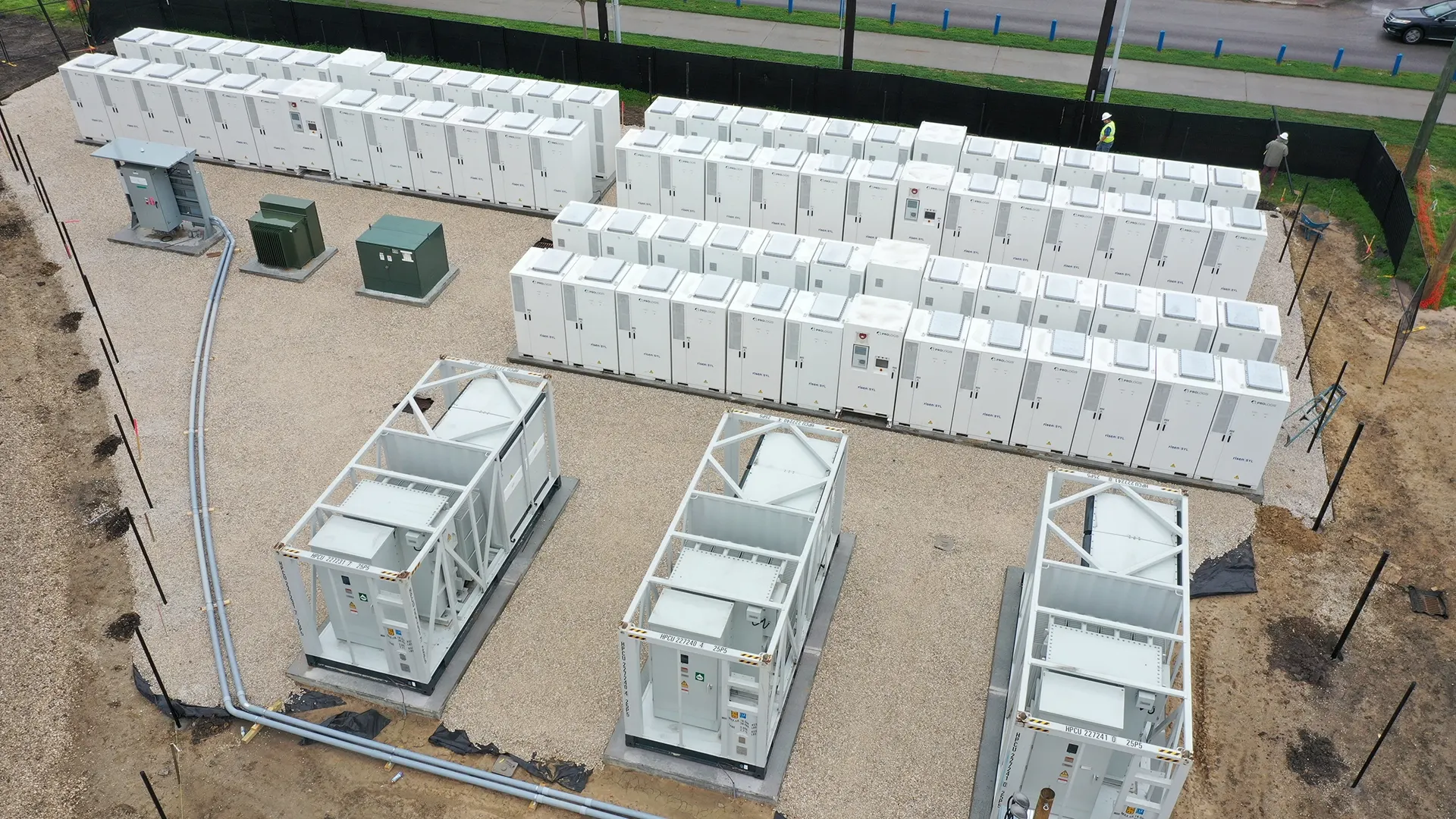
If the risk is enterprise-wide, the response has to be as well. Resilience is not a single generator or battery, but a 360-degree plan that connects critical load analysis, system design, microgrid and power storage technology, ongoing operations and maintenance, and lifecycle planning.
Many organizations still wait for a crisis to act. "I would say companies are underinvesting," Hawkinson said. "Sometimes it takes a catastrophic event for someone to begin to think differently."
"Have a plan. Have a strategy. Look at resilience holistically, for your people, your technology, and your physical assets. All of that together defines a resilience strategy for a business," he added.
Guidry agreed. "Treat resilience as part of business continuity, not an afterthought of where the power comes from."
Aging equipment is part of this hidden risk. When organizations run critical assets past the end of their lifecycle, an outage can leave them with few options. Planning capital investment for lifecycle replacement is one of the simplest ways to reduce that exposure.
Because the cost of inaction is measurable, the value of action is measurable too. Organizations that quantify their exposure can make the case for investment with the same rigor they apply to any other enterprise risk.
Up next
When the power goes out, the clock starts. But the outcome is often decided long before that moment. In the next article in this series, Ryan Shaw explains why resilience is won in the five months before an outage, not the five seconds after.
Learn more about ABM Energy and Power Solutions: https://www.abm.com/energypower