Data centers: Uptime in a no-room-for-error world


Key Takeaways
- Human error drives the majority of outage costs: With 66–80% of outages caused by human error at a cost of $9,000 per minute, leaders must treat protocol adherence as direct financial risk mitigation
- Specialization outperforms general staffing: Mitigating risk requires specialized technical teams trained in data center interdependencies, protocols, and emergency operations
- Self-performance protects the bottom line: Shifting from low-cost vendor management to specialized self-performing partners safeguards investments and helps ensure uptime
Transcript
A technician working in a hyperscale data center is not simply maintaining equipment. Their work is deeply connected to outcomes that extend far beyond the facility itself. Uptime is paramount. “No room for error” is how the industry frames it, according to Mark Lundregan, Senior Data Center Sales Leader, Mission Critical at ABM.
Data center outages can disrupt entire business ecosystems. As these facilities face the pressure of high-speed growth and becoming more technologically advanced, organizations are recognizing that success depends on having people who understand the environment, the protocols, and the consequences of getting it wrong.
Ensuring uptime, all the time
Data centers have always been focused on uptime and reliability, but the pace and intensity have increased dramatically. Historically, data center facilities were somewhat static. Today, they are highly dynamic environments with enormous power demands and virtually no room for error. Reliability has always been the goal, but the pressure and complexity have escalated significantly. In this context, uptime is not a metric; it is the product itself.
Yet human error remains one of the leading causes of outages and unplanned downtime. The Uptime Institute’s 2026 report found that between two-thirds and four-fifths of major IT and data center outages involve some element of human error. Lundregan says these mistakes are not due to a lack of technical ability. Rather, it is a lack of understanding about the data center environment itself.
Most common causes of major human error-related outages
What are the most common ways human error has contributed to IT service outages at yourorganization’s data centers over the past three years? Choose no more than three. (n=199)
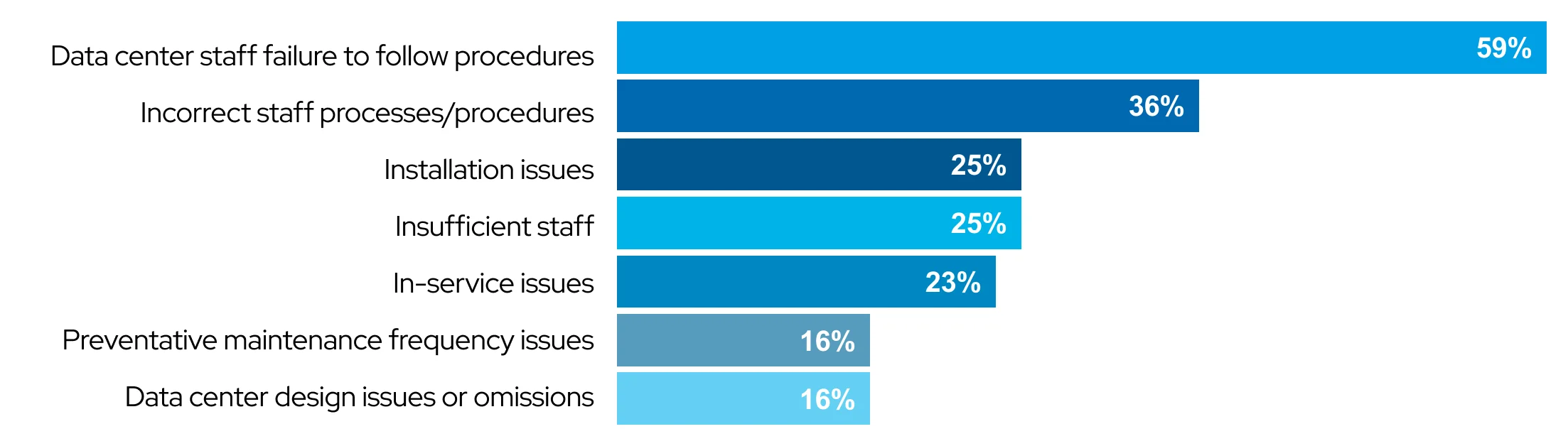
Source: Uptime Intelligence
Mitigating risk through partner specialization
Data center procedures govern everything, from how work is planned and documented to how equipment is accessed and maintained. There are approvals, customer coordination requirements, and operational safeguards that must be followed before work even begins.
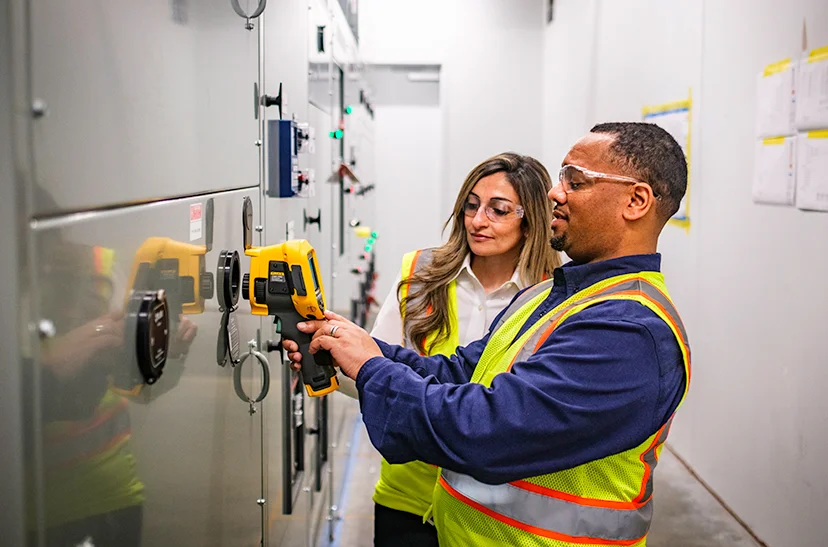
Lundregan says the specialist’s role is to eliminate or mitigate risk and “take the human error element out of it.” Specialization means having technicians on the job with years of extensive training, certifications, and supplemental training for working within a stringent protocol-driven environment. “It’s about the awareness of the entire system and the interdependencies.”
Certified technicians are an example of the specialization that is critical in data centers. “Certification takes it to that next level of being protocol-driven,” he explains. “There’s a certain methodology to it. Certain tools are used. Work is completed to an exacting standard. It’s not just getting the job done. It gets it done to a very specific and very high bar.”
A generalist provider unfamiliar with that environment may focus only on completing the task, while specialists understand the broader operational context. In a high-pressure moment, a lack of proper training or clear procedures makes mistakes almost inevitable. Someone might open the wrong breaker, perform a task in the wrong sequence, or overlook a critical dependency. "The risk and cost are too high for a generalist," Lundregan says.
Acquiring mission-critical talent
Finding technical talent for data centers and semiconductor fabs is a challenge, with a forecast of 300,000 unfilled positions in the next five years. The Uptime Institute 2026 Global Data Center Survey reported that “the industry talent drought is worsening” with more than half of respondents reporting difficulties finding qualified candidates for open positions.
Finding the right level of talent is challenging with the boom in data center construction. “It’s like looking for unicorns,” Lundregan says. Technical talent acquisition and training are ABM strengths. “When we get technical talent into our orbit, we provide the career framework to level up as a Critical Facilities Technician and grow in their careers.”
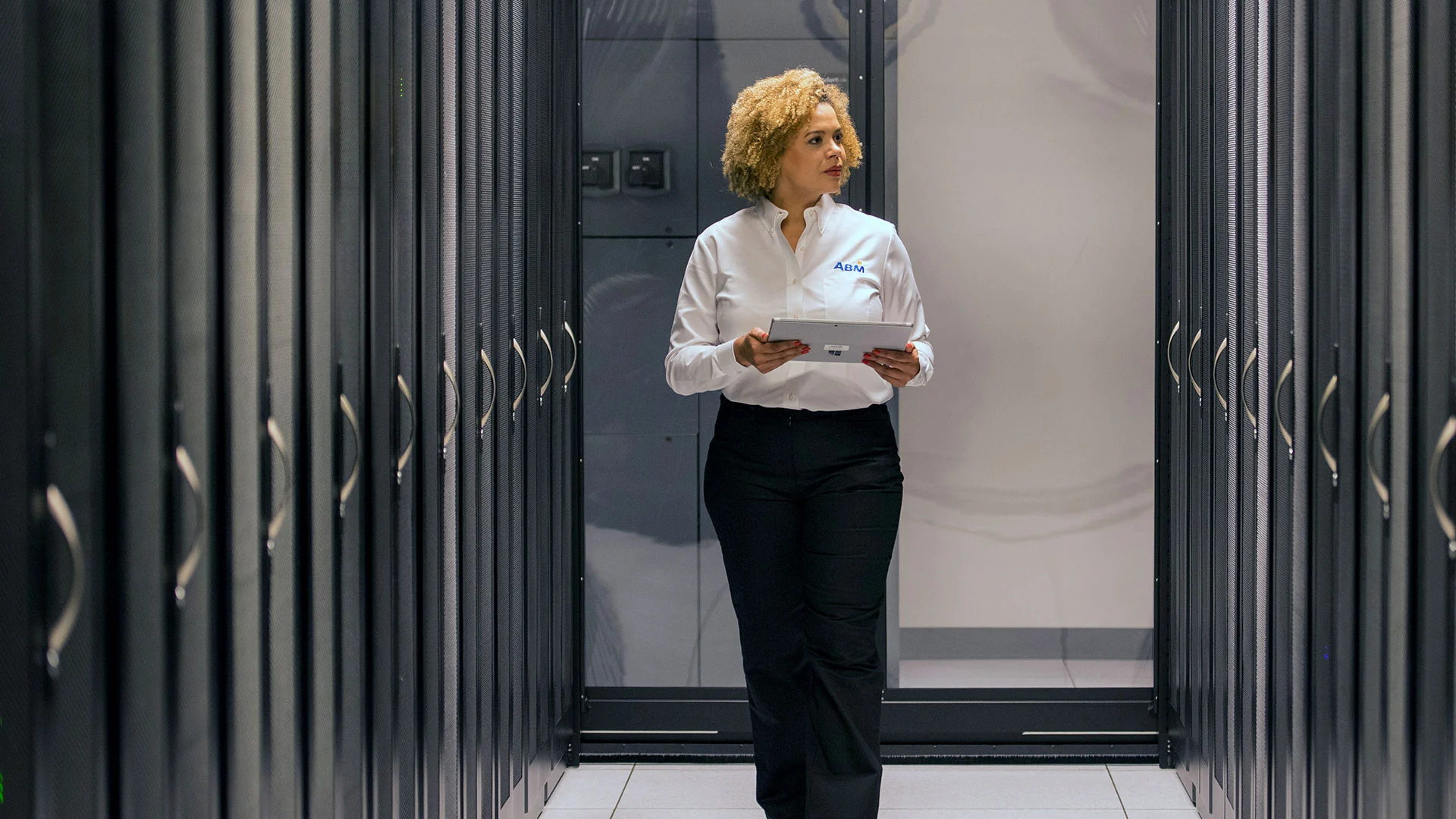
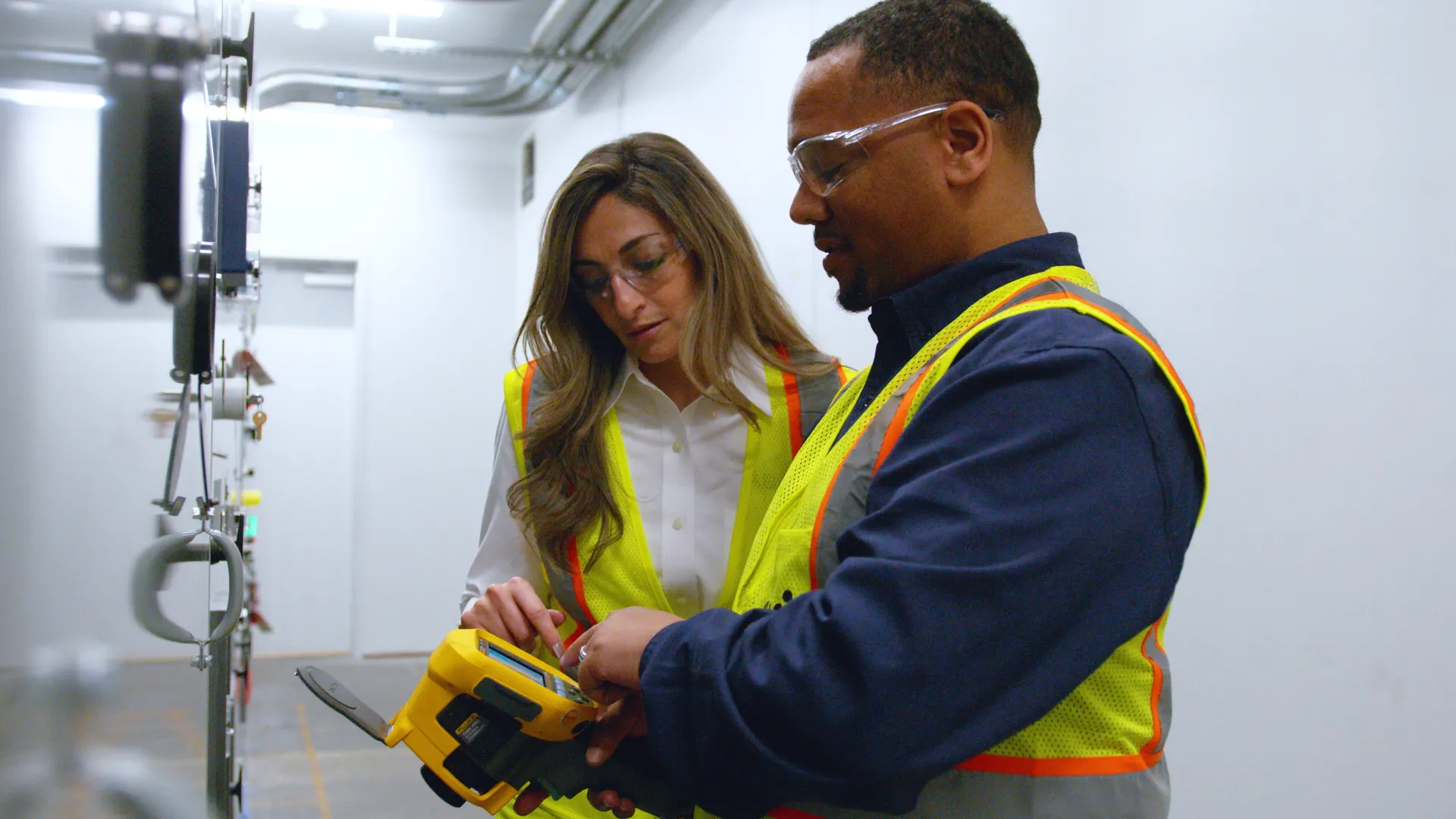
Technical talent is critical because ABM teams are essential—and embedded—in data centers, focusing on methods of procedure, sequence of operations, and emergency operations.
“It’s all risk mitigation,” Lundregan notes. ABM staffs its data center teams with technicians trained to meet the full range of critical facility needs.
Ensuring accuracy in high-speed, high-pressure environments
ABM works with Tier 1 to Tier 4 data centers around the country and understands the pressure and speed-to-market challenges amidst construction and expansion. According to Lundregan, “Our clients know, and we know that there is no cushion and no margin for error.”
He said that ABM operates within data centers, bringing a historic knowledge of the facility and a future-forward mindset. “We take learnings from each site and each issue to deploy standardized processes, documentation, testing, and redundancy layers to keep operations running. It’s muscle memory.”
Lundregan says self-performing specialists like ABM bring the “situational awareness and operating mindset” to manage risk across interconnected systems.
Specializing to manage growth and risk
For expanding data centers, the cost of failure has grown exponentially. In these environments, mistakes rarely stay contained. A small error during data center maintenance can disrupt critical services. The consequences are financial, operational, regulatory, and increasingly reputational.
That shift is changing what facility owners expect from service partners. The conversation is moving beyond staffing levels and contract costs toward questions of expertise, governance, training, and risk management. Organizations need specialized partners who understand not only how to perform a task, but how that task fits into a data center’s operational system.
As data environments become more complex and the pressure builds to maintain peak operations, the specialization differentiator is the variable between a provider that completes the work and a partner that protects the operation.
In a world with no room for error, ABM brings the people, protocols, and precision to keep data centers running.